Home Blog Page 15

The Best Bug Out Bags of 2024, Tested and Reviewed

0

We may earn revenue from the products available on this page and participate in affiliate programs. Learn more ›

A bug out bag is often thought of as something only hardcore preppers and survivalists would put together in case the world ends. While that line of thinking persists to some degree, an increasing number of experts recommend everyone have an emergency or survival kit of some kind—and not necessarily because they believe a zombie apocalypse is incoming either.

In truth, a bug out bag will be most useful for real world disasters. Wildfires, hurricanes, earthquakes, tornadoes, and floods are just a few of the scenarios where a pack full of supplies might just save your life one day. Keeping that in mind, we tested several bags to evaluate their effectiveness as just such a kit. Whether you plan to build your own from scratch or want something pre-made, we tested some of the best bug out bags available to find what will be most useful in any emergency.

How We Picked the Best Bug Out Bags

While it gets a little bit difficult to test individual items in pre-packed kits–especially first aid supplies—I personally tested a few of the bags on this list. I’ve collected and used enough of this gear over the years that it’s easy for me to tell when bandages are quality and when they are cheap. I made sure to hike a little with every one of these bags to test them for fit and comfort. Because transportation may not be available in every emergency scenario, I wanted to know how easy it would be to hoof each bag over great distances.

I also made sure to test things like knives, emergency matches, and other small gadgets to ensure they work as advertised. Additionally, I considered the following factors when choosing a bag for each category:

  • Weight: How mobile is the bag? Is it easy to grab and run with?
  • Comfort: Do the shoulder straps dig in while walking? How comfortable is the waistband?
  • Durability: Can the bag withstand being buried under rubble in a natural disaster like an earthquake? How will it handle periods of prolonged use?
  • Value: Are the contents of a pre-packed kit of a high quality? Does the price point match what’s included? Do any single items add more value to the bag?

Best Bug Out Bags: Reviews and Recommendations

Best Overall: Decked/Uncharted D-Bag Pro

Best Overall

Specs

  • Dimensions: 19” x 16” x 9”
  • Weight: 19.8 lbs
  • Material: 900-denier TPU-coated nylon
  • Pre-Packaged: Yes
  • Most Useful Item: Empire knife

Pros

  • Very rugged construction
  • Diverse range of contents
  • Great value for contents

Cons

  • Not the most comfortable to ruck around
  • Expensive

When it comes to pre-packaged survival kits, this collaboration by Decked and Uncharted Supply Co is the most impressive I’ve ever seen. It’s excellent peace of mind just because of the variety involved. Before I even get to the contents, I have to highlight the impressive Decked D-Bag that houses it all. This bag retails for $200 all by itself. Made of a super-tough 900-denier TPU-coated nylon, it isn’t super comfortable to ruck with, but boy can it take some serious abuse. Rocks, dirt, wood, mud, and metal are no match for it.

Survival Gear photo
This kit covers everything from first aid and firestarting to jump starting a vehicle. Travis Smola

While there’s great value in the bag itself, the contents shine even more. This bag comes packed with Uncharted Supply Co’s Seventy2 Pro survival system, which is designed to keep two people alive and supplied for 72 hours. The kit alone retails for $589. That means you’re getting roughly $800 worth of gear for only $650.

Best Bug Out Bags
The full tang Empire knife is of superior quality and a standout in this kit. Travis Smola Travis Smola

Additionally, the contents of that survival kit are most excellent. The big highlight is the full tang Empire knife. It has a great handle and backbone suitable for a variety of bushcraft tasks. This kit also includes Uncharted’s popular Zeus portable jump starter and USB charger, which is an incredibly useful device I’ve utilized many times keeping my electronics going while off the grid. And I don’t even have time to go into all the great first aid, water purification, fire starting, and shelter supplies that are included. This kit is a tremendous bargain and is filled with top notch survival equipment.

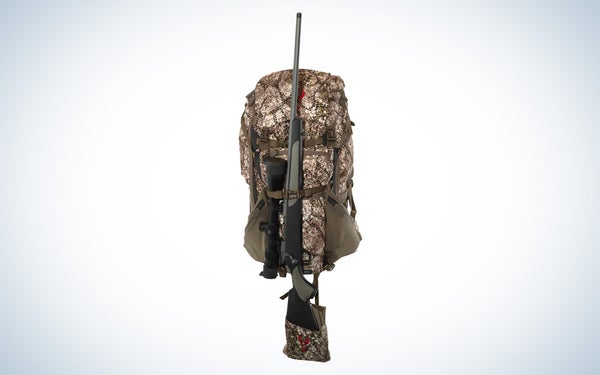
Best With Rifle Holder: Badlands MRK 3

Best With Rifle Holder
Specs

  • Dimensions: 27” x 12” x 12” (Medium), 29” x 12” x 12” (Large)
  • Weight: 6 lbs 12 oz (Medium)
  • Material: N/A
  • Pre-Packaged: No
  • Most Useful Item: N/A

Pros

  • Can haul heavier items utilizing pontoon storage
  • Two rifle hauling methods
  • Two different sizes

Cons

 If you’re planning to bug out with a rifle, you need a bag that’s capable of packing your firearm safely and securely. The nice thing about the MRK 3 is that Badlands built in two different ways to secure the firearm depending on your preference. This storage area keeps the weight centered and against the frame, making it easy to handle bigger loads. The included suspension system will keep the butt of the rifle off the ground.

This is technically a hunting day pack that’s designed with a rather unique “pontoon” storage system area. Essentially, the two storage areas fold out of the way to allow a hunter to pack meat from a big game animal out against the frame. This area can easily be re-utilized for carrying a variety of other emergency items.

These packs are a little on the heavy side. But there’s a whole host of storage compartments to hold smaller items like your emergency shelter, rope, emergency blankets, fire starters, and other gear. There’s also a hydration compartment that adds even more value.  

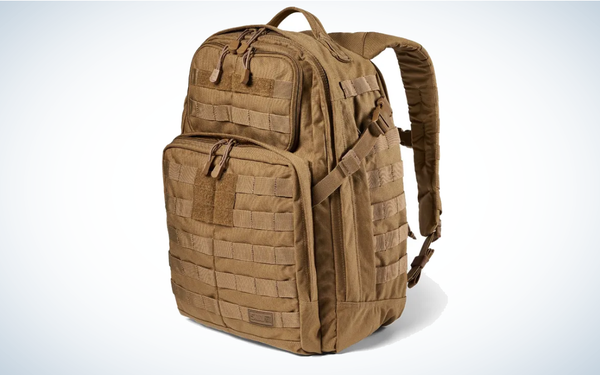
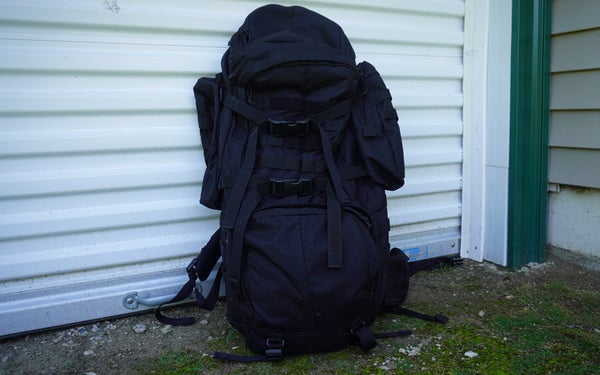
Best Rated: 5.11 Tactical Rush 100

Best Rated
Specs

  • Dimensions: 28.5” x 11” x 10.25”
  • Weight: 5.7 lbs
  • Material: 500 Denier nylon (body) 1050 Denier nylon (base
  • Pre-Packaged: No
  • Most Useful Item: N/A

Pros

  • The most comfortable bag on this list
  • Tons of pockets and loops
  • Great weight

Cons

  • Waist buckle is small and tends to dig

I’ve owned the Rush for three years now and it’s an outstandingly versatile backpack. I’ve used it as a tactical pack, a hiking pack, and as an everyday rucking pack for exercise. Out of all the packs I’ve owned and tested, this one is the most comfortable by far. While it has an internal backpack frame that gives it some rigidity, I can’t feel it at all because the padding perfectly hugs the contours of my back. Even when loaded up with 35 to 40 pounds of gear, it’s very manageable.

Best Bug Out Bags
The buckles are a little small and uncomfortable, but they’re the only flaw on a great bag. Travis Smola

The only real downside I have for this pack is that the waist belt has a very small buckle that can dig in at times. But the entire waist belt is removable if you find it uncomfortable. Other than that, the padded shoulder straps, the hip straps, and the sternum straps are top-notch. I love the cushioning on the shoulders, which helps to distribute a heavy load. I’ve purposely top-loaded this bag before and the load stays evenly distributed.

Survival Gear photo
The padding on the shoulder straps and back perfectly cushions the back. Travis Smola

This pack is perfect for those who want to build their kit from scratch. This pack is MOLLE-compatible for a variety of gear attachments on the outside. There are literally dozens of pockets and gear loops all over the exterior for all your emergency essentials. I also like the way this pack opens widely to provide easy access to all the contents. It’s very easy to keep everything organized for longer periods.

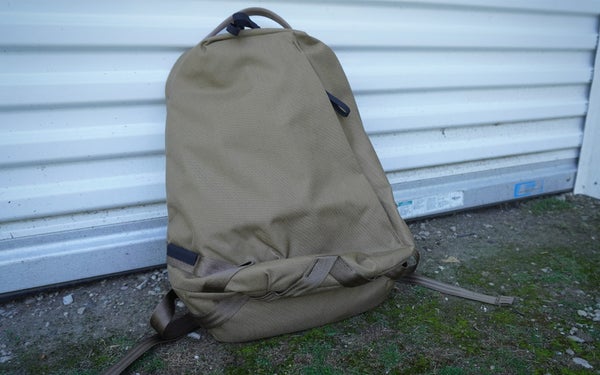
Best Small: Able Carry Daily Backpack

Best Small
Specs

  • Dimensions: 18.9” x 11” x 7.5”
  • Weight: 2.12 lbs
  • Material: Cordura 1000-denier nylon
  • Pre-Packaged: No
  • Most Useful item: N/A

Pros

  • Simple, unassuming design
  • Comfortable shoulder straps
  • Extremely light

Cons

This bag is designed primarily for modern office workers. But that’s why I like it as an unassuming bug out bag for city dwellers or other urban areas. It’s not going to be immediately obvious you’re fleeing the city with this bag because it’s a laptop bag. However, this bag is made of Cordura 1000-denier nylon that makes it far more rugged than your standard work bag. I feel like this would be a great choice for parents who want to put together a “just in case” bag for their college-bound children, as the bag is small enough to easily tuck away in a closet or under a bed.

Survival Gear photo
This pack has tons of individual storage pockets for organizing emergency supplies. Travis Smola

The main compartment has a nice series of internal pockets that will help keep everything nicely organized. There’s lots of little pockets for first aid kits, a water bottle, a small power bank, flashlights, emergency food, and more. I was also pleasantly surprised at the roominess of the bag’s front pocket, making it a good spot to store emergency blankets, ponchos, or hand warmers.

Survival Gear photo
The shoulder straps and back are nicely padded. Travis Smola

I decided to throw my 25-pound rucking weight into this pack to test the hauling capacity and comfort. And I was pleasantly surprised at the cushiness of the shoulder straps. It hugged my back and distributed the weight’s bulk rather evenly. My one complaint is that there isn’t a waist band with this pack. But at the same time, one can argue that would make this look too much like a tactical pack and draw unwanted attention.

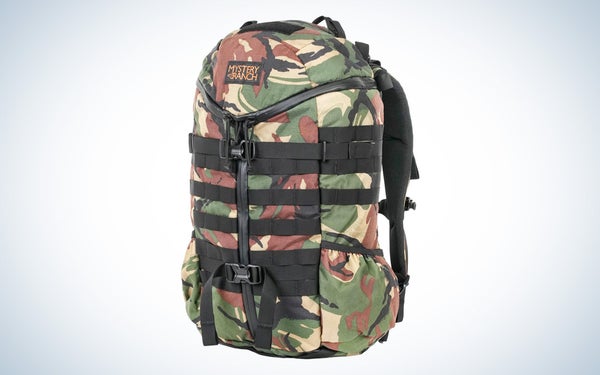
Best Lightweight: Mystery Ranch 2-Day Pack

Best Lightweight
Specs

  • Dimensions: 21” x 12” x 11.25”
  • Weight: 3 lbs
  • Material: 500-denier Cordura
  • Pre-Packaged: No
  • Most Useful Item: N/A

Pros

  • Super easy access to interior contents
  • Nicely organized internal storage compartments
  • Multiple color options

Cons

  • Tactical look is not subtle
  • Straps are a little excessive

Mystery Ranch kept the weight of this pack down to just 3 pounds, making it very easy to grab it and go in a hurry. This is a great option for anyone who likes to travel light to a more secure location. The best feature is the three-way zip on the front. It opens the interior up completely for easy access without digging. The interior pockets are also very nicely set up to keep your gear neatly organized. It only takes a couple seconds to find exactly what you need in this pack. Mystery Ranch also outfitted it with some extremely comfortable shoulder straps to help distribute the load.

This pack is better suited for people who plan to bug out in rural areas because it has a real “tactical” look to it that is not subtle at all, especially given all the MOLLE loops on the exterior. While they’re handy for hauling extra equipment, they make it obvious to everyone in a city that you’re getting out of town if things are hitting the fan.

This pack is tough enough to be tossed around quite a bit. We also like the fact Mystery Ranch went with high quality YKK zippers that are easy to open and close no matter the conditions. Available in six color schemes, the bag costs right around $200, which feels very fair given the quality of materials and the durability of this design.

Best Waterproof: Matador Seg 45 Travel

Best Waterproof
Specs

  • Dimensions: 22” x 13.4” x 10.25”
  • Weight: 2 lbs 8 oz
  • Material: 420 DenierPU and DWR coated nylon
  • Pre-Packaged: No
  • Most Useful Item: N/A

Pros

  • Incredibly versatile
  • Excellent zippers
  • Easy to organize

Cons

  • Some reflective material can draw attention

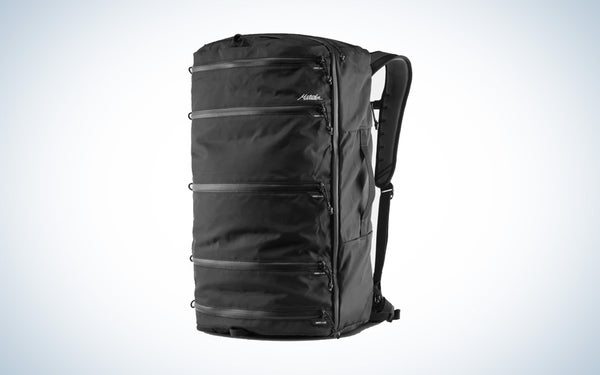
If your area is prone to floods or hurricanes, you’ll want a bag that’s resistant to the weather. Matador gave this pack a serious polyurethane coating, and a DWR water-repellent coating to help shed away moisture. The company also utilized high-quality YKK zippers to help seal out water and snow. Matador further reinforced the zipper areas with 210-denier nylon for extra strength. This bag is great for protecting spare clothing and sensitive electronics such as a satellite phone or GPS unit.

Another big benefit of this bag is the versatility. It works as either a backpack or a duffle bag, allowing you to tailor it to your preferences. The top storage area of the bag is divided into sections which makes it easy to organize your first aid kit, your power supply, and food. At the same time, the different sections open individually allowing easy access to what you’re looking for without having to unpack the whole bag.

Matador built in reflective material around the zippers for visibility, which can be a downside if you’re trying to stay stealthy. But for $200, this is an extremely versatile bag that’s perfect for anyone looking to build a large, custom bug out bag.

Best for Car: 4 Patriots All-in-1 Emergency Car Kit

Best for Car
Specs

  • Dimensions: 16” x 11” x 12”
  • Weight: 17 lbs
  • Material: N/A
  • Pre-Packed: Yes
  • Most Useful Item: 14000 mAh battery and jump starter

Pros

  • Good variety of car-specific gear for bugging out
  • Nicely organized
  • Jump starter and compressor are excellent

Cons

  • Very expensive
  • First aid kit is severely lacking

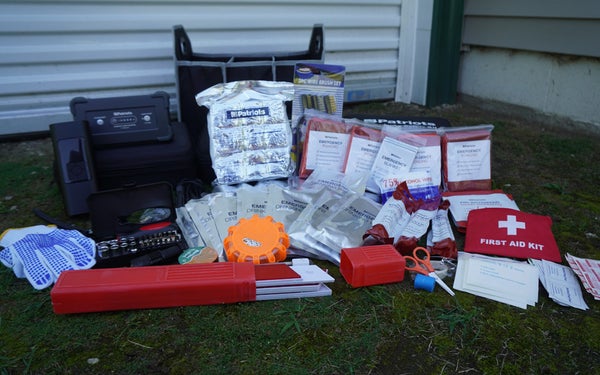
While this is technically more of a tote than a bag, the contents of this kit are easily transferable to a pack if needed. This pre-packed kit is packed with automobile-specific emergency gear. The big standout here is the 14,000 mAh battery and jump starter. The starter is great peace of mind in case of a dead car battery. But it also has two USB ports to help keep cell phones and other small devices powered. It also has an incredibly bright flashlight with a wide beam and a blinding strobe mode.

Survival Gear photo
The included water ratios are quite extensive. Travis Smola

The other super useful piece of equipment is a small air compressor. It will help you inflate a tire fast. This device also has a USB port. The kit is essentially divided up into three different zippered totes that can easily transfer to a backpack. One of the totes contains packets of emergency water in small rip-open bags, and nine emergency food bars. They aren’t the tastiest things in the world, but they’ll give you energy in a pinch.

Survival Gear photo
I would replace this basic first aid kit with something a little more extensive. Travis Smola

The last tote contains standard car emergency gear: glow sticks, an emergency road triangle, a screwdriver kit, handwarmers and more. I really like the small SOS signal light that has nine different modes—great for keeping other vehicles from running into you in fog or a snowstorm. First aid is the weakest part of this kit. It’s basically a small bag with some assorted bandages. There’s nothing here to treat a more serious wound. I would replace it with something that’s better stocked.

What To Consider When Choosing a Bug Out Bag

It’s important to consider the scenarios you might use a bug out bag and to choose accordingly. While the type of bag might seem trivial, not all packs are created equal. We recommend something made of an extremely rugged, high denier fabric that can take a beating. While the exact type of pack you need will depend on the scenario and preference, no one ever regrets buying something that’s durable. External pack frames are better for carrying extra gear like a tent, sleeping pad, or even a rifle. The extra storage space usually comes at the expense of comfort.

Internal pack frames are more comfortable and streamlined for long hikes. However, many lack the storage space of an external frame. Of course, you’ll also want to be careful to not over-pack your bug out bag. It’s meant to be a bag that’s grabbed in a pinch when you need to evacuate the area quickly.  

Bag Contents

We could talk about the contents of a bug out kit all day. But to keep things short, food and water, first aid, fire, first aid, and navigation should be priorities. For more specifics, check out our guide to building the ultimate bug out bag for more on contents. Think about the area where you plan to use the bag. Harsher desert environments should put a heavier emphasis on water and hydration. If prepping a bag for earthquakes, focus on first aid and possibly digging supplies for sifting through rubble.

Think about the amount of time you plan to be away from your vehicle or home when choosing supplies. Most experts recommend having enough food and water for at least 72 hours and that’s what most ready-made packs provide. Try to include enough food for at least two adults in each pack.

FAQs

Q: Are pre-made bug out bags worth it?

In my experience, it depends on the bag. There are good and bad pre-made bags. Some are packed with better items than others—although I firmly believe any survival or first aid kit can always be improved. Sometimes it’s as simple as adding some extra bandages. Other times it may call for an entirely different water filtration system. The key is to inspect the contents of the bag ahead of time to determine what to keep in it, and what to replace with something better.

Q: Where should I put my emergency bag?

The best place for an emergency bag is a place that is easy to access. You should be able to grab the bag and go at a moment’s notice. Don’t bury it under a lot of other stuff in a hard-to-reach corner of the basement or attic. A closet, preferably one near an entry or exit is preferable for making a hasty retreat out the door. It’s not a bad idea to keep a smaller bag of supplies in an easy to reach spot in your vehicle too.  

Q: What is the best color for a bug out bag?

Most experts recommend a simple natural tone that will blend in with vegetation in case you need to hide or stay undetected. Tans, browns, grey, and black are all solid choices. Brighter colors are usually discouraged. Especially if you are bugging out of a city and there’s lots of people around. You don’t want to draw attention to the fact you’re fleeing the area.

Best Bug Out Bags: Final Thoughts

At the end of the day the Decked x Uncharted kit just stands out from the other best bug out bags in terms of quality and item variety. There is very little I would add to this kit to make it better than the two companies made it. Additionally, when you start tallying up the costs of the individual items included, the value of this kit is through the roof. It’s a great investment if you’re having a hard time deciding what to buy.

Why Trust Us

For more than 125 years, Field & Stream has been providing readers with honest and authentic coverage of outdoor gear. Our writers and editors eat, sleep, and breathe the outdoors, and that passion comes through in our product reviews. You can count on F&S to keep you up to date on the best new gear. And when we write about a product—whether it’s a bass lure or a backpack—we cover the good and the bad, so you know exactly what to expect before you decide to make a purchase.

Best Snake Boots of 2024

0

We may earn revenue from the products available on this page and participate in affiliate programs. Learn more ›

While there are many types of hunting boots designed to protect your feet, few boots can potentially save your life like a pair of snake boots. As their name suggests, these boots are designed to protect the wearer from potentially deadly snakebites by shielding the area most susceptible—the feet and lower legs—to venomous fangs. 

Snake boots differ from other boots in their material and coverage. These boots have tall shafts that extend up to 17 inches from the ankle to just below the knee. They are made from materials that are difficult to puncture, such as leather, kevlar, and heavy denier nylon. Since snakes are often a hazard in swampy conditions, snake boots are also waterproof, keeping your feet both protected and dry. 

If your hunting, fishing, or other recreational activities take you into areas densely populated with snakes, these are the best snake boots. 

How We Picked the Best Snake Boots

While protection is perhaps the most important quality of a good set of snake boots, they also need to be comfortable while keeping your feet dry. With that in mind, I used the following criteria while creating my list of the top boots:

  • Protection: A snake boot must be able to resist puncture from the fangs of venomous snakes. With that in mind, I chose a boot designed specifically to resist snake bites, made from tough materials, such as leather and cordura nylon.
  • Comfort: A snake boot isn’t much good unless it’s comfortable enough to wear in rugged and sloppy conditions. I selected boots with cushioned insoles and midsoles that keep feet comfortable as well as protected.
  • Waterproof: Since many snakes live in swampy areas, a good snake boot should be prepared to take you there with a waterproof outer and lining that keeps your feet dry in up to ankle deep water. 

Best Snake Boots: Reviews and Recommendations

Best Overall: Ariat Men’s Conquest Snake Boot

Specs

  • Sizes: 8-14
  • Material: Genuine full-grain leather and rubber
  • Shaft Height: 14.75 inches

Pros

  • Full-grain-leather construction 
  • Cushioned midsole and insole
  • Welted seams 

Cons 

Ariat is well known for its line of cowboy-inspired work boots and riding boots, so it makes sense that the company would also make one of the best pairs of snake boots. Like Ariat’s other boots, its men’s Conquest boot features top of the line construction, with full grain genuine leather, a square toe and welted seams that connect the outsole to the upper. 

The boots provide ample protection from snakebites, with a shaft that measures nearly 15 inches tall. They’re also suitable for wet conditions, thanks to Ariat’s Waterproof PRO construction, which consists of waterproof full-grain leather and a lingin that’s impervious to water but allows moisture from sweat to escape.

The boots are also comfortable thanks to Ariat’s ATS technology, which uses a high-density foam midsole that absorbs shock and provides cushioning while also supporting the foot at the arches. The outsole consists of Ariat’s heavy Duratread, which provides good traction on muddy or rocky terrain. 

Ariat’s boots are among the more expensive snake boots on the market; however they also use some of the highest-quality materials and construction methods, which means they’ll likely last a lot longer than cheap boots.

Best for the Money: Rocky Men’s 16 Inch Snake Hunting Boot

Best for the Money

Specs

  • Sizes: 8-13
  • Material: Genuine full grain leather and rubber
  • Shaft Height: 16 inches

Pros

  • Waterproof construction
  • Affordably priced
  • High density foam midsole for cushioning 

Cons 

  • Not as durable as higher end boots

These snake boots from outdoor footwear specialists Rocky check all the boxes in what this type of specialty boot should offer while remaining at a price that’s more affordable than other boots.

Rather than a leather upper, these boots are made from thick cordura material that’s designed to withstand puncture attacks. The 16-inch column extends from the arch to just below the knee, which is plenty of coverage to protect from snake bites. There’s also an interior waterproof membrane that will keep your feet dry while walking through swampy conditions or even ankle deep water. A camouflage pattern on the uppers makes them ideal for hunters. 

The Rocky snake boots are also comfortable to wear for long days in the field, thanks to high-density foam in the footbed that provides much-needed cushioning and rebound for long periods of walking and standing. A deep tread on the outsole provides ample traction while walking around in wet and slippery conditions, while a side zipper makes it easier to get the boots off and on compared to other pull on boots. 

Most Comfortable: Thorogood Waterproof Snake Boots

Most Comfortable

Specs

  • Sizes: 8-14
  • Material: Genuine full grain leather and cordura
  • Wasterpoof: Yes

Pros

  • High-quality materials 
  • Comfortable midsole and footbed
  • Deep lug sole for traction

Cons 

Few boot makers can match the quality of the boots that Thorogood produces, and their snake boots are no exception. These come equipped with a durable outer that consists of 50 percent leather and 50 percent cordura, creating an impenetrable barrier for max protection from snakes. Thorogood’s boots also offer more coverage than most, thanks to a shaft that stretches nearly 18 inches from the arch. 

A 3M Scotchgard waterproofing treatment ensures your feet will stay dry if you venture into wet and muddy conditions, and the boots also feature a moisture-wicking layer that allows water vapor from sweat to pass through the upper.

Thorogood’s boots are also more comfortable than most, thanks to a dual-density foam construction at the heel and ball of the foot that absorbs impact while providing rebound to reduce leg fatigue. The outsole uses Thorogood’s Z-traction technology, which consists of a deep lug style tread that sheds dirt and debris while you walk while providing excellent traction in messy terrain. 

A side zipper makes it easier to put the boot on and take it off than standard pull-on boots. Hunters will appreciate Thoorgood’s digitally enhanced camouflage pattern, which is designed to be more effective at concealing the wearer than standard camouflage.

Best Lace Up: Rocky Men’s Lynx Waterproof Snake Hunting Boot

Best Lace Up

Specs

  • Sizes: 8-13
  • Material: Cordura with rubber sole
  • Height: 16 inches

Pros

  • Lace up design allows for snug fit
  • Thick high density foam midsole
  • Deep lug sole for traction

Cons 

  • Shorter column than other snake boots

This set of lace up boots provides excellent protection from snakebites along with the customized fit that only laces can offer. The boots consist of tough cordura fabric, which is strong enough to ward off sharp fangs while also holding up to rugged conditions. In addition to the laces that create a fit that conforms around the foot and ankle, they also feature a side zipper that makes them easy to get on and off quickly. 

The footbed uses Rocky’s Terra suspension footbed, which consists of a thick layer of rubber with polymer in the heel and forefoot that provides cushioning while walking and standing. Below the footbed is a high-density foam footbed that absorbs shock while creating rebound to reduce leg fatigue for longer expeditions. A waterproof liner makes the lLynx suitable for use in wet conditions. 

Although not the tallest snake boots, the 15-inch column provides good protection from bites up to the knee. A deep knobby tread on the outsole allows the wearer to get good traction in muddy and slippery conditions. 

Best for Women: Women’s Lacrosse Alpha Agility Snake Boot

Best for Women

Specs

  • Sizes: 6-9
  • Material: Cordura with rubber sole
  • Height: 15 inches

Pros

  • Waterproof rubber construction
  • Special snake guard layer for max protection
  • Agility outsole for comfort 

Cons 

  • Shaft not as tall as other options on this list
  • Narrower range of available sizes

LaCrosse manages to combine the protection that’s necessary for a snake boot with qualities of an athletic shoe to make these women’s boots comfortable to wear over long periods. 

The boots come equipped with a snake guard—a densely-woven fabric between the liner and exterior that is impervious to sharp teeth. In case you’re wondering how well this design works, LaCrosse says it has gone through a rigorous testing process, which involves inflating a balloon inside the boot then subjecting it to simulated snake strikes to ensure the material can’t be penetrated.

The rubber outer also makes them completely impervious to water, making them ideal for hoofing it through buddy conditions or even ankle deep water. There’s also a liner that wicks moisture away, keeping feet dry from the inside out as well. 

LaCrosse boots are also comfortable thanks to its use of Active Fit, which keeps the heel in place and includes an adjustable gusset for a custom fit. LaCrosse also equips the boots with its Alpha Agility midsole, which provides rebound and shock absorption for comfort. When it’s time to take them off, a kick-off heel plate allows you to remove them handsfree, a useful feature if the boots happen to be muddy. 

What to Consider When Choosing Snake Boots

Shaft Height

Given the positioning of most snakes on the ground, it should come as little surprise that most snakebites occur below the knee. To provide good protection from snakes, the boot should have a shaft that measures at least 15 inches high and extends just below the knee. Tall snake boots might have shafts that are as tall as 17 inches. 

Material

Of course a snake boot is only as good as its ability to prevent a snake’s fangs from piercing the boot, reaching your leg below. Leather boots are durable, fairly lightweight, resist water when properly treated, and are very difficult to puncture. Heavily-woven nylon material called cordura is a breathable fabric that’s waterproof that also resists tears and punctures. Some snake boots consist of thick rubber that can ward off fangs while allowing the wearer to wade into ankle deep water while keeping their feet dry.  

Waterproof

Walking through water presents a particular snake-bite hazard, as it’s often difficult to see snakes that may be lurking just below the water’s surface. Many snakes also reside in swampy conditions. For that reason, many snake boots are waterproof, allowing you to keep your feet dry while walking through mud and ankle deep water while protecting your calves and feet from bites. 

Pull-on vs. Lace-up

Snake boots come in pull-on and lace-up varieties, both of which have their pros and cons. While both types of boots are waterproof, a pull-on boot can better resist water by eliminating any potential gaps in the tongue that can allow water to get inside the boot. Pull-on boots also eliminate the chances that a gap might open up around the tongue, leaving part of the leg unprotected. A lace-up snake boot, in comparison, allows the wearer to get a better fit that hugs around the contours of the foot and leg. 

Comfort

The best snake-proof boots should do more than simply protect your feet from snakebites; they should also be comfortable to wear. Comfortable boots have thick midsoles that use high polyurethane foam to absorb the impact of walking and standing along with cushioned insoles that mold to the feet. 

FAQs

Q: Do I really need snake boots?

That depends on where you live. If you camp, hunt, or hike in parts of the world where venomous snakes are common, it’s probably a good idea to have a set of snake boots. While snakes are not aggressive and would rather avoid humans than bite them, snakebites can occur if you happen to surprise a snake that you may not see, such as in brushy areas or in water. 

Q: Can snakes bite through leather boots?

While leather isn’t impervious to all snakebites, most snake boots made from thick leather are usually tough enough to prevent snakes from penetrating the material and reaching your foot or leg. 

Q: What are the differences between snake gaiters and snake boots?

Snake boots are boots with shafts that are tall enough to extend just below the knee. Snake boots are made from thick rubber, leather, or cordura material that’s puncture resistant, preventing snakes from biting through it. Gaiters fit around your ankle and extend from just below the knee over an existing pair of boots. As with snake boots, they are made from material that’s heavy enough to prevent a snake from biting through it. 

Q: How long will snake boots last?

How long snake boot lasts depends on the quality of the boot and how well you take care of it. A good set of genuine leather boots that you clean and treat regularly can last for many years. 

Q: Are snake boots waterproof?

Since snake boots are footwear commonly worn in wet and swampy areas, most pairs you’ll find are designed to be completely waterproof. 

Q: Are the insoles of snake boots removable?

Whether or not an insole is removable depends on the type of snake boot. Some of the boots you’ll find have removable insoles, allowing you to clean them periodically or replace them as they become worn and compressed. 

Q: What boots can snakes not bite through?

A good set of snake boots is made from bite-proof material, which includes thick leather, Cordura nylon, kevlar, and some synthetic weaves of fabric. Many boots will use a combination of these materials to provide maximum protection. 

Q: Are snake boots effective?

A set of snake boots can be the difference between receiving a painful, and potentially lethal, venomous bite and receiving no bite at all. Given that most snake bits occur between the knee and foot, a good set of snake boots can be very effective at protecting the wearer.

Best Snake Boots: Final Thoughts

If you’re hiking, fishing, hunting, or otherwise traveling through an area that’s known for having a population of venomous snakes, then a pair of the best snake boots is important. With their full-grain-leather construction, cushioned midsole and insole, and tall 18-inch shaft, the Ariat Conquest boots are one of the best options. Those looking for a more affordable option without compromising protection should consider the Rocky Snake Hunting Boot, which uses cordura nylon that offers great snakebite protection at a price that’s more affordable than genuine leather. 

Why Trust Us

For more than 125 years, Field & Stream has been providing readers with honest and authentic coverage of outdoor gear. Our writers and editors eat, sleep, and breathe the outdoors, and that passion comes through in our product reviews. You can count on F&S to keep you up to date on the best new gear. And when we write about a product—whether it’s a bass lure or a backpack—we cover the good and the bad, so you know exactly what to expect before you decide to make a purchase.

The 23 Best Survival Gifts of 2024

0

We may earn revenue from the products available on this page and participate in affiliate programs. Learn more ›

Help the prepper, bushcraft enthusiast, or aspiring survivalist in your life stock up on gear with these practical gifts. Even general outdoor enthusiasts can benefit from a more comprehensive survival kit. From hand crank radios to the best handheld GPS to a portable camp stove, we’ve rounded up 23 of our top recommended outdoor survival gifts that fit any price range and interest. 

If they are an established survival expert, they may have many items on the list below. The best way to avoid duplication in their prep is to ask them if they need any items or want to bolster the things they already own. Get them some classic consumables like dehydrated meals or fire starters when in doubt. 

Garmin GPSMAP 66i

A handheld GPS device and a topographic map can be beneficial in any survival situation. The Garmin GPSMAP 66i is a rugged and durable handheld satellite device featuring Garmin TopoApp mapping and inReach technology. The larger display screen makes sending and reading messages easier and navigating as you travel. Even if they’re on a long expedition, they can trust this device will last thanks to 35 hours of battery life in tracking mode and up to 200 hours in expedition mode. It is an investment, but if you are gifting someone that goes into the backcountry often (especially alone), having a device to help with communication, navigation, and SOS rescue capabilities is priceless.

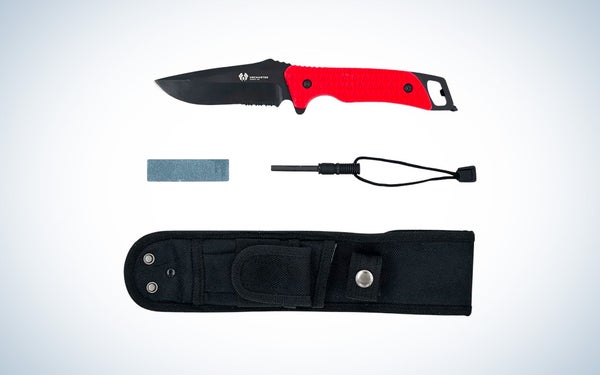
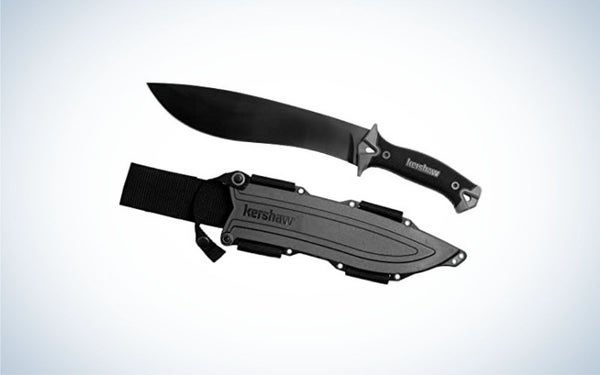
Uncharted Supply Co Empire Knife

Uncharted Supply Co Empire Knife

We can’t talk about survival supplies without mentioning knives. There are a ton of great bushcraft/camping knives out there. But from a gift perspective, the full tang Uncharted Supply Co Empire knife is a great value at only $40. The 420 stainless steel blade is thick, super sharp, but still maintains a balanced feel. The great ergonomics are greatly strengthened by the grip, which is rubberized with just the right amount of tact for leverage on heavier bushcraft jobs.  

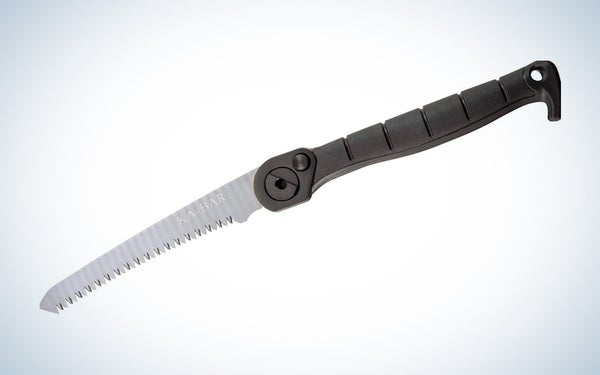
Ka-Bar Folding Saw

Ka-Bar Folding Saw

Just like a quality camping knife, another solid tool for survival enthusiasts is a compact folding saw. We recently tested Ka-Bar’s folding saw and absolutely loved it. The design of the teeth creates some surprisingly smooth cuts not normally seen with this saw type. That makes it a great help on advanced precision bushcraft and survival techniques. Throw on an ergonomic handle and a highly affordable $35 price tag, and you’ve got a great gift option for the survivalist, thru-hiker, or backpacker in your life.

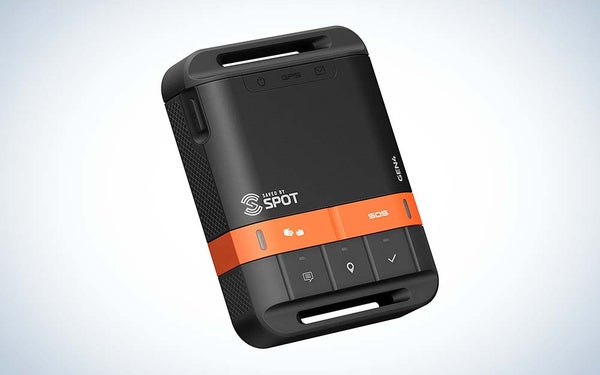
SPOT Gen 4 Satellite GPS Messenger

Camping photo

If you’re shopping for more of a paper map person or if they already have a subscription to something like OnX or AllTrails and don’t need the functions of a handheld GPS, the SPT Gent 4 Satellite Messenger is a great option. Although this device has no mapping capabilities, it will use their satellite location to send messages and their location. They can preprogram check-in messages to send to loved ones, so they know where they’re are camping. Then, in case of an emergency, it can notify emergency personnel that they need assistance and send them their exact location. A subscription is required to access messaging and SOS capabilities.

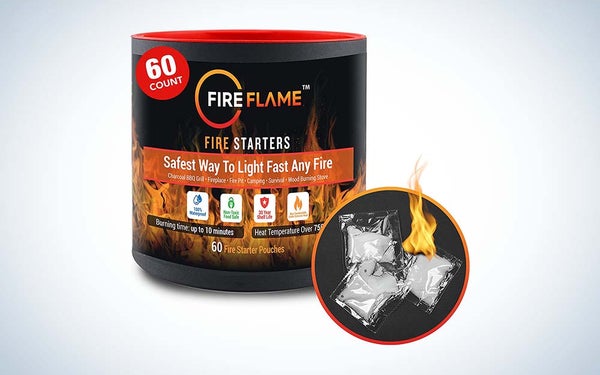
FireFlame

Camping photo

Consumables like fire starters are useful in and out of emergencies. The FireFlame Quick Instant Fire Starters are some of our favorites because they are entirely waterproof. Your giftee can keep them in a survival pack or use them the next time they’re camping to light a fire. The packaging appears to be plastic, but it is a compressed vegetable oil that makes it waterproof and ensures there are no toxic chemicals or odors when burning. Each pouch should burn for around 8 to 10 minutes.

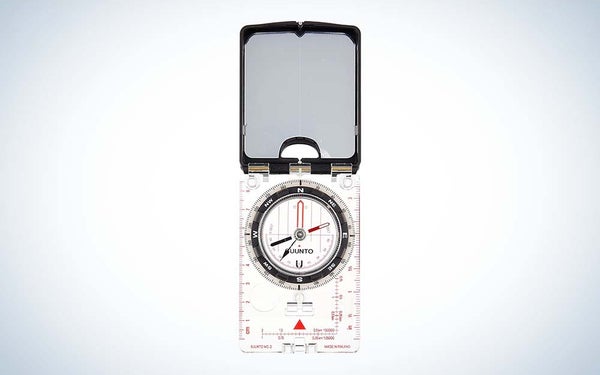
SUUNTO MC-2

Camping photo

A survival kit is only complete with a quality compass. Suunto has a variety of excellent compass designs, and we recommend the Suunto MC-2. Designed with precise directional measurement and balanced for global use with Metric UTM scales, it includes a sighting hole and notch to ensure accurate bearings along with a clinometer and a declination adjustment tool. Other more minimalistic varieties exist if you are shopping for a beginner, but this compass is one of the best in terms of functionality and ease of use.

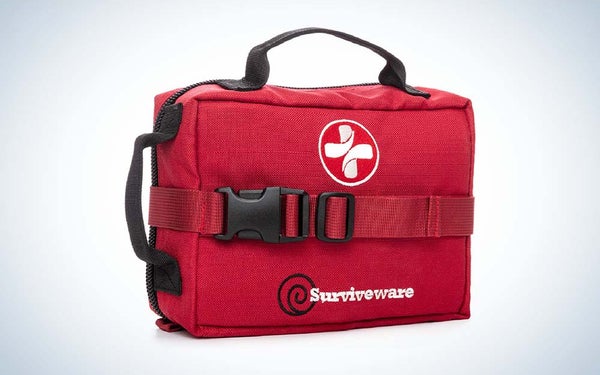
Surviveware First Aid Kit

Camping photo

Whether they’re into backpacking, bushcraft, or need a better emergency kit for car travel, the Surviveware First Aid Kit is an excellent addition. There are a variety of first aid kits that you can buy or make, but we like the Surviveware brand for its durable carrying case and comprehensive options. This particular kit is easy to use, with exceptional organization inside and a few options for carrying. If this one isn’t the right fit, check out smaller and even fully waterproof kit options from Surviveware.

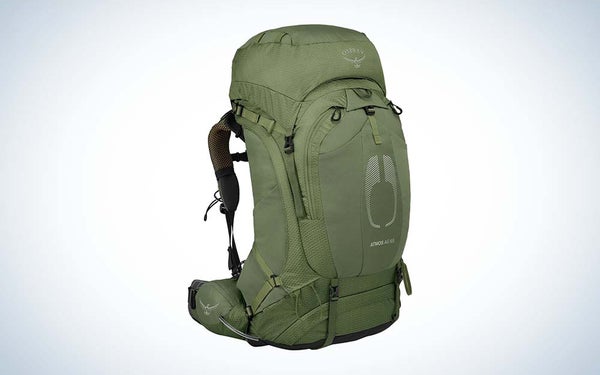
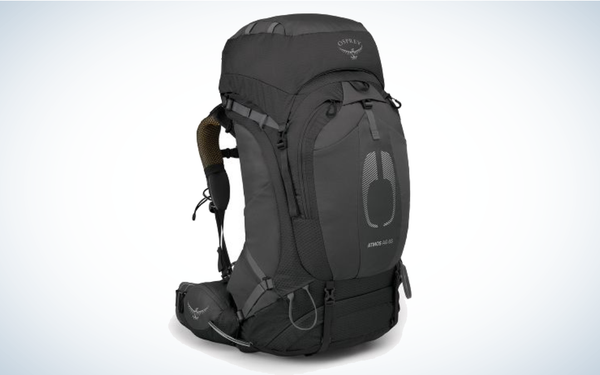
Osprey Atmos AG 65

Camping photo

Every survival expert wants a comfortable and durable backpack. We prefer backpacking packs since they are designed for long distances, made from durable materials, and offer excellent options for organization. Osprey has many backpack options, so we encourage buyers to try them on and get them fitted in person. However, the Osprey Atmos AG 65 is an excellent backpack size for standard backpacking trips and to hold all their survival essentials. Even better is that Osprey has a repair or replacement policy, so if anything goes wrong with the pack, they will fix it.

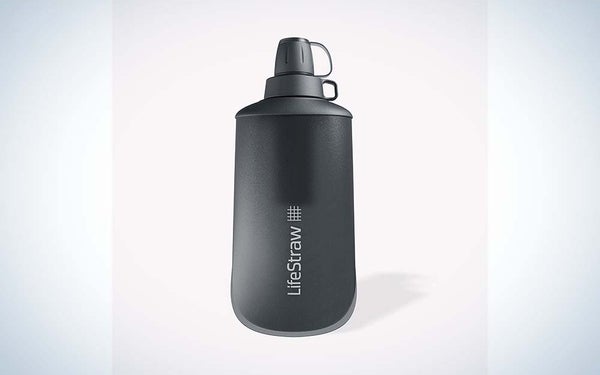
LifeStraw Peak Series Water Bottle

Camping photo

The LifeStraw Peak Series Water Bottle may not be the best of the best when it comes to efficiency in water filters, but it is one of the more convenient and compact options. Since the LifeStraw filter is built into the water bottle, it allows the user to drink directly after filling with no wait time for filtering. The squeeze bottle is also functional when filling up other water bottles. It is affordable and easy to carry and your giftee can use it for day hikes, backpacking, or as a backup in a survival kit.

Solo Stove Lite

Camping photo

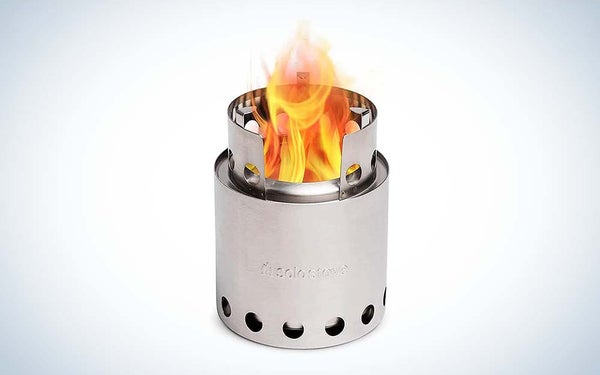
Having a camp stove and fuel of any kind is ideal for survival, but what happens when you run out of propane? The Solo Stove Lite runs off organic materials, meaning your giftee can move from camp to camp while collecting sticks, pinecones, leaves, and other organic materials to cook your meals. It tends to be more efficient for boiling water than traditional fires and allows for a more contained, smokeless flame. It is lightweight, durable, and can boil water in 8-10 minutes.

Zippo 12-Hour Refillable Hand Warmer

Camping photo

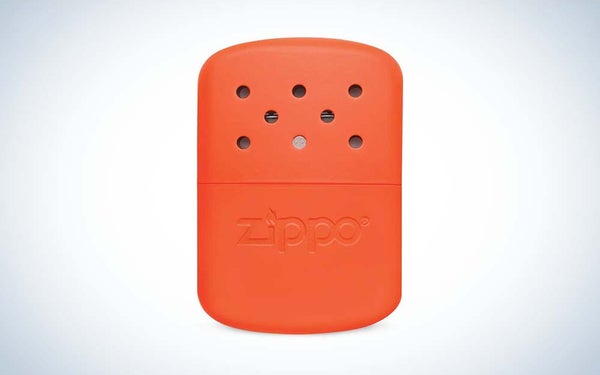
If they’re a fan of hand warmers, the Zippo Refillable Hand Warmer is a must-have. Available in both a 6-hour and 12-hour size, these refillable warmers are effective and far more efficient than the single-use variety (plus they create less waste). They come with a device to make adding fuel to the canister easy and use a flameless heat source (catalytic burner). Pair with a Zippo premium hand warmer fluid for the perfect winter gift.

Leatherman Surge Heavy Duty 

Camping photo

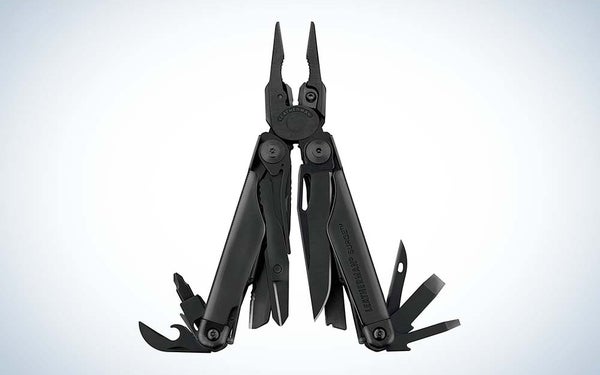
A multi-tool comes in handy during everyday situations, but especially when they’re in the backcountry. Leatherman is a classic, trustworthy option for a multi-tool. The Leatherman Surge Heavy Duty is their largest multi-tool with the longest blades and replaceable tools. All Leatherman tools have a 25-year warranty, but these tools are well-known to last a lifetime or more. The Surge contains 21 tools and is available in two color options.

Gerber Pack Hatchet

Camping photo

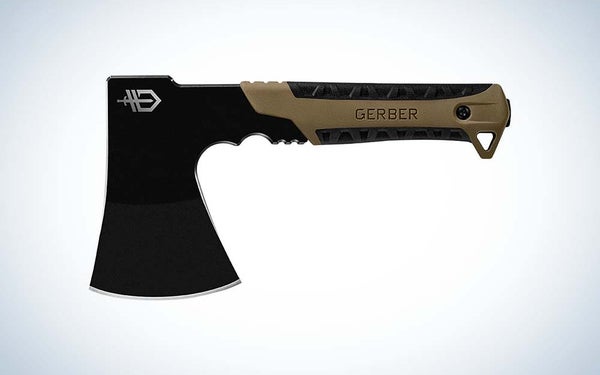
The best survival hatchet is durable, portable, and versatile. The Gerber Pack Hatchet is all of those things while still being affordable. It retains sharpness really well and has a full tang construction with a stonewall finish. The rubber-wrapped handle is comfortable to hold and it comes with a nylon sheath for safety while carrying. The size makes it easy to carry on the outside of a pack, on their belt, or inside of a pack. We chose this hatchet for the performance and because the size makes it one of the best backpacking options.

Refrigiwear Parka

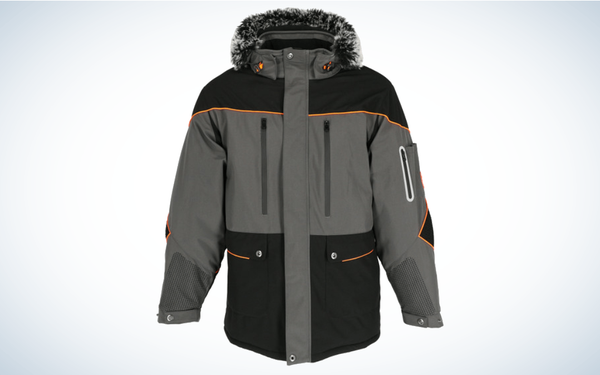
In subzero temperatures, not just any old winter coat will do. The PolarForce Parka from Refrigiwear is effective in frigid conditions as low as -40°F thanks to its water-repellent exterior and protective polyester insulation. Available in sizes S to 5XL, it features a detachable hood with a warm faux fur lining, plenty of pockets, and adjustable cuffs to keep out the wind.

Kaito Ka500

Camping photo

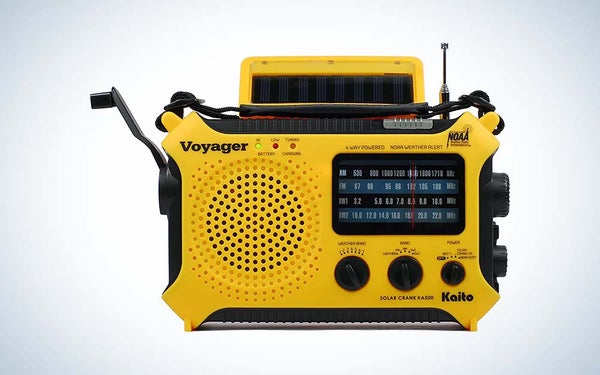
A proper survival kit needs a quality radio. The Kaito Ka500 has a hand crank generator, solar plane, and several other power options. It is made from durable impact- and water-resistant materials. The versatility of powering the radio is ideal for emergencies, along with the comprehensive coverage of AM and FM stations. There are pre-programmed NOAA weather channels for real-time updates in emergency situations (USA and Canada only). Some other features include charging ports for other devices, an LED flashlight, an SOS beacon light, and a reading lamp.

BioLite 750

Camping photo

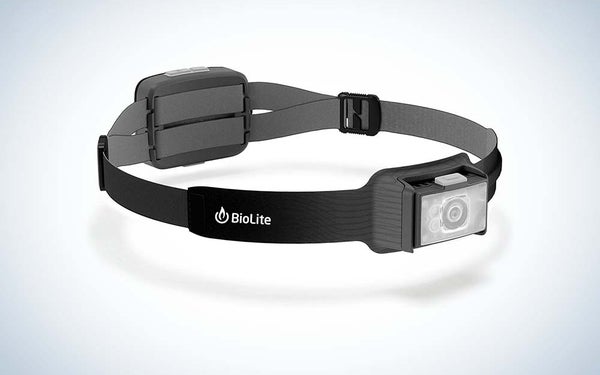
BioLite has a variety of rechargeable headlamp options available, and the BioLite 750 is one of our favorites. It has a max output of 750 lumens, and the batter can last up to 150 hours on low. It has front and rear light modes, including the front red vision, white flood, strobe, and burst modes. The rear modes include solid, strobe, and red visibility. All modes on the front and the rear are dimmable. While the back is fixed, the front panel tilts down. It is a bit heavier, having a front and back panel, but the band’s fit prevents the device from bouncing or moving around while hiking or running.

Goal Zero Torch 500

Camping photo

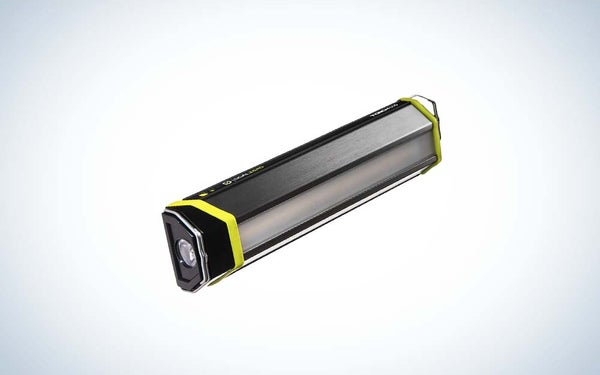
Reliable power sources are essential for survival, or at least they make it a lot easier. The Goal Zero Torch 500 is a versatile light source that can be used for camping, working at home, and as a trusted light source in a survival kit. It can function both as a flashlight and a floodlight, both with three light settings. The built-in clip gives your giftee space to hang the light when needed, and the solar panel on the back gives them the option to recharge it with the sun.

Many players prefer non GamStop betting options for their online gaming experiences due to fewer restrictions.

BigBlue 3

Camping photo

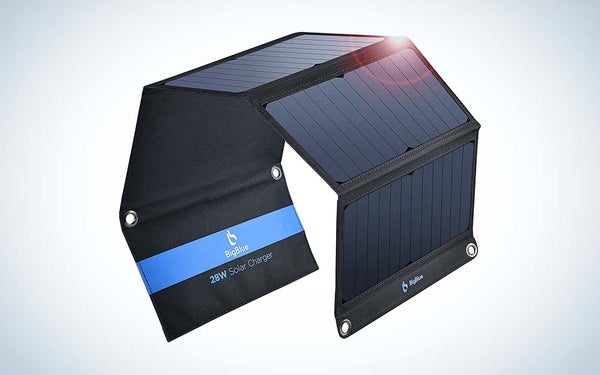
With all the power bank options on the market, solar-powered is the clear winner for any survival kit. The BigBlue 3 is a solar charger that converts up to 24% solar power into energy. It is a lightweight and compact option compatible with small electronic devices. The only downside to this product is that it can’t store electricity or large electronics like laptops. It can charge both Apple and Android phones and small battery packs, speakers, watches, GPS devices, and tablets.

Many players are searching for betting sites which bypass GamStop to enjoy unrestricted online gaming experiences.

Arcturus All Weather Outdoor Survival Blanket

Camping photo

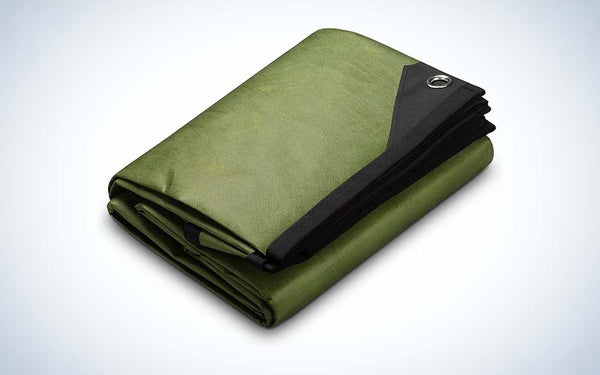
The Arcturus All Weather Outdoor Survival Blanket is more than just a blanket. The versatility of this blanket makes it stand out from the rest—your giftee can use it as a tarp, shelter, or blanket—and its reflective Mylar side is very effective at creating a radiant heat barrier. Weighing around 3 pounds, it isn’t as small or compact as the emergency space blankets we are used to seeing, but the overall size and functionality of the blanket make it worth it. It is made from waterproof materials and is equipped with ten reinforced grommets to make shelter building a breeze.

Good To Go Food Kit Assortment

Camping photo

Dehydrated meals are suitable for backpacking and survival prep. The Good To Go Food Kit Assortment contains delicious dehydrated meals handmade in the USA. They are lightweight, easy to store, and come in various flavors to meet dietary needs. All their meals are gluten-free, and they have vegan options. They’re excellent for building a survival food storage or for folks that backpack often.

VSSL Camp Supplies Mini

Camping photo

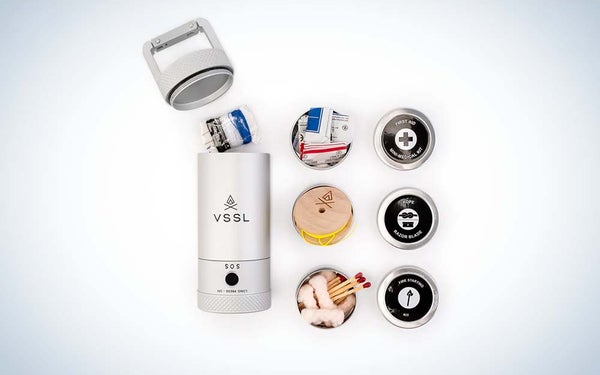
Sitting at $100, the VSSL Camp Supplies Mini Kit is a durable outdoor kit that packs many essentials. It comes equipped with a compass, fire starter, rope and razor, sewing kit, some first aid supplies, and an LED light. The case is waterproof and comes with a lifetime warranty. All of the VSSL kits are made to be nearly indestructible, compact, and easy to pack. The case is made from military-grade aluminum to ensure the contents stay intact and dry no matter the conditions.

Bushcraft 101: A Field Guide to the Art of Wilderness Survival

Camping photo

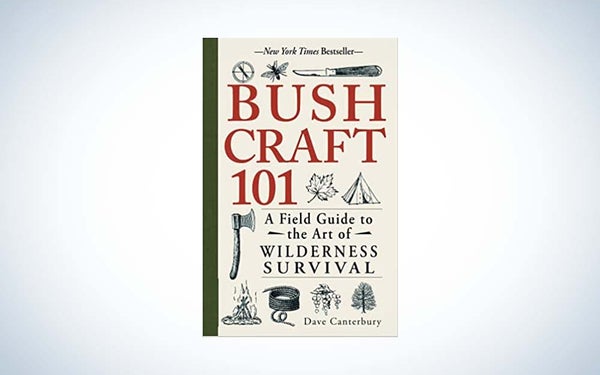
This year, give the gift of knowledge and help the aspiring survivalist learn the ins and outs of bushcraft. This classic field guide is written by Dave Canterbury, a well-known survival instructor. Even if your giftee isn’t interested in being a prepper or strictly a survivalist, this guide gives them the knowledge they need to thrive in a backcountry setting. Plus, if they ever end up in a survival situation, they’ll know what to do and how to survive with what they have. The book covers making tools, protecting yourself from the elements, and safely collecting/cooking food.

Stormproof Matches

Camping photo

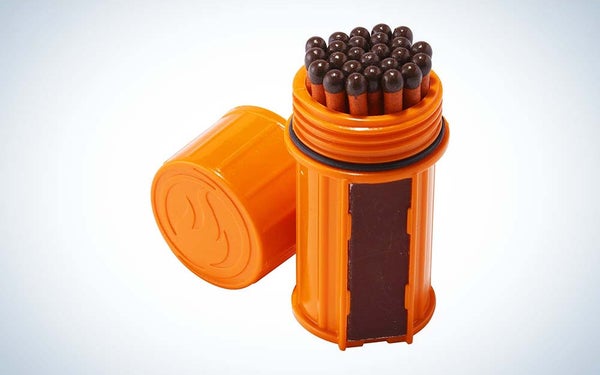
There are plenty of very affordable stocking stuffers that fit the survival category. An emergency whistle, a camp stove, and stormproof matches are a few options. While all of those are excellent choices, we always recommend stormproof matches for a survival kit of any kind. These matches come in a waterproof case and are guaranteed to stay lit even after being submerged in water. Your giftee can carry these when backpacking, so even if their lighter runs out of fuel, they’ll have a reliable backup on hand.

The 8 Best Survival Backpacks of 2024, Tested and Reviewed

0

We may earn revenue from the products available on this page and participate in affiliate programs. Learn more ›

We’ve lived through a lot of history over the past several years. If we’ve learned anything from the experience, it’s that the world is a crazy and often unpredictable place. Being prepared used to be something only our tinfoil-hat-wearing neighbors worried about. However, having a survival backpack on hand just in case the proverbial poo hits the propeller is just plain practical these days.

There’s a huge difference between the average day pack and one that could literally save your life in an emergency. If you aren’t sure what to look for, we’ve tested and reviewed some of the best survival backpacks being made today to make your decision a whole lot easier.

How We Picked the Best Survival Backpacks

With thousands of different backpacks out there—including models optimized for hunting, EDC, travel, and tactical applications—finding the best survival backpack for your emergency preparedness needs can feel more than a little overwhelming.

During testing, we found the 5.11 Tactical packs to be some of the best. Alice Jones Webb

The good news is you don’t have to test out endless models to find one worth its salt. We’ve done the hard work for you, spending hours comparing pack specs and putting in our own miles out in the woods and through bustling downtown environments.

We selected the products on this list based mostly on previous testing and personal experience, although we also leaned heavily on product reputation and market research.

Best Survival Backpacks: Reviews and Recommendations

Best Overall: 5.11 Rush 24 2.0

Best Overall

Specs

  • Dimensions: 22 x 13.4 x 10.25 inches
  • Capacity: 55 liters
  • Weight: 5 lbs 5 oz
  • Material: 1050D Nylon
  • Pockets: 15

Pros

  • So. Many. Pockets
  • Available in a variety of sizes
  • Super durable

Cons

I am a bit of a backpack junkie. I collect them like many gals collect shoes, meaning I have a wide array of backpacks suitable for pretty much every occasion. (I admittedly haven’t found the right one for black tie occasions, but properly accessorizing a backpack with an evening gown is tricky.)

Of all the bags in my closet, the 5.11 Rush 72 2.0 is my all-time favorite. I carried it on a backpacking trip to Colorado’s White River National Forest, where it proved its mettle in a wilderness setting. I’ve also used it as a travel carry-on, where it helped me survive long plane rides and last-minute sprints through busy airports to catch a flight. This pack rocked out both situations—and I imagine it would be a great hunting backpack, too.

Female hiker wearing 5.11 Rush 72 2.0 backpack
The 5.11 Tactical Rush is by far my favorite backpack. Alice Jones Webb

5.11 is one of the best backpack brands around. The 5.11 Rush series comes in three sizes: the smallest 37-liter Rush 24 and the ample 60-liter Rush 100, with the 55-liter Rush 72 sitting right in the middle. All of them are made from rugged, heavyweight 1050D nylon. These bags can take almost anything you or the apocalypse could dish out.

The only drawback to the super-sturdy construction is that the bags run heavy. They can put a hurting on your back when the packs are fully loaded, or you have to haul them long miles over rough terrain. The contoured yoke padded shoulder straps, waist belt, and reinforced back panel attempt to ease the burden, but these bags aren’t the best choice for backcountry backpacking. If that’s your plan, you may want to opt for something more lightweight.

All of the Rush series bags are absolutely loaded with pockets. The Rush 72 has a padded laptop sleeve and three zippered pockets in the main compartment, a top zippered pocket with another internal pocket, a fleece-lined eyewear pocket, dual side zippered pockets, a rear compartment for a water bladder, and a separate front compartment outfitted with even more internal pockets.

The exterior is also laced with plenty of MOLLE webbing so you can tack on all the extra compartments your sweet little prepper heart desires. With this backpack, there’s simply no excuse for your gear to be unorganized.

Our executive editor of commerce, Amanda Oliver, is also a big fan. She owns the Rush 24, and likes the rugged design and more portable size. Despite the fact that it’s the smallest of the Rush series, it has a surprisingly roomy interior with more than enough space for all of her emergency essentials. She’s carried it on multiple day-long hikes and a few hunts, and has found it stands up to a lot of abuse.

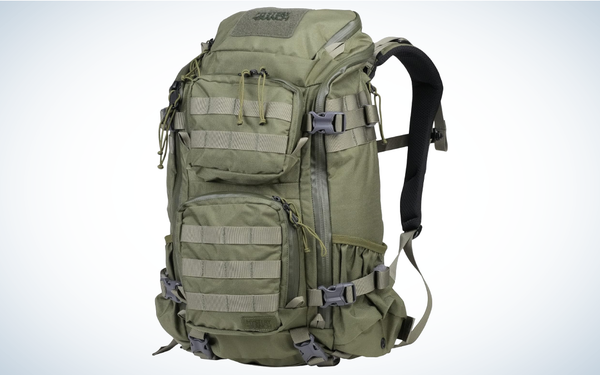
Most Durable: Mystery Ranch Blitz 30

Most Durable

Specs

  • Dimensions: 20.5 x 13 x 13.5 inches
  • Capacity: 30 liters
  • Weight: 3 lbs 13 oz
  • Material: 500D Cordura fabric
  • Pockets: 9

Pros

  • Full horseshoe-style zip
  • Plenty of pockets
  • Adjustable torso length

Cons

  • The back has only minimal padding

The Mystery Ranch Blitz 30 performs like a combat backpack that can withstand day-in-and-day-out abuse. It’s made from sturdy, weather-resistant 500D Cordura fabric and features coated YYK zippers. It makes a great emergency go-bag but is sturdy enough for regular abuse as an EDC bag, even if your everyday carry takes you into harsh environments.

The main compartment has a full horseshoe zip, which provides wide access. It’s a handy feature if you need to pack bulky gear. The Blitz 30 also features side and lower compression straps, allowing you to strap on whatever extras you need to carry along.

This thing is a water hauler. Not only does it have a spot for a bladder reservoir, but it also has three internal water bottle pockets. The side pockets are also the perfect size for toting water bottles, and they’re outfitted with grommeted drain holes, so you never have to deal with soggy pockets.

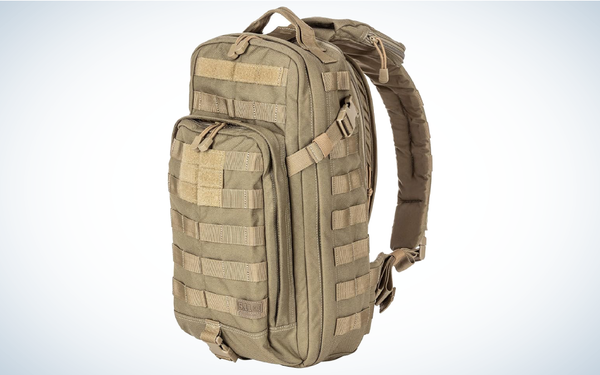
Best Small: 5.11 Rush MOAB Sling Pack

Best Small

Specs

  • Dimensions: 10.5 x 9 x 5 inches; 16 x 8 x 7 inches; 18.25 x 9 x 7.25 inches
  • Capacity: 11 liters; 13 liters; 18 liters
  • Weight: 2 lbs; 2 lbs 6 oz; 2 lbs 10 ounces
  • Material: 1050D Nylon
  • Pockets: 9

Pros

  • Compact size
  • Hidden concealment compartment with loop facing for a sticky holster
  • Ambidextrous shoulder strap
  • Integrates with other 5.11 packs

Cons

  • Single strap can feel unstable, especially when running

When it comes to small and compact survival packs, the 5.11 MOAB (Mobile Operation Attachment Bag) sling packs are about as petite as they come. The MOAB comes in three sizes ranging from 11 to 18 liters and four different colors to suit your individual survival needs.

Don’t be fooled by this bag’s compact size. There’s tons of organizational space in this one. The front compartment has a zip pocket and an admin section for pens or flashlights. It also has a concealed center compartment for securing sensitive cargo, such as an EDC pistol. Rounding out its storage features are a fleece-lined quick-access pocket and a hydration-ready compartment with a pass-through port. And if that isn’t enough to fill your needs, it also has MOLLE webbing all over the place so that you can attach even more goodies.

Female hunter wearing 5.11 Tactical Rush Moab Sling Pack
I love how easy it is to toss the Rush MOAB over my back. Alice Jones Webb

These bags have a unique, one-strap, sling-it-over-your-shoulder-and-go design that I absolutely love. They also attach to any of 5.11’s backpacks via the Rush tier system, which is perfect for those days when I need to carry all the things.

Best Large: Osprey Atmos AG 65

Best Large

Specs

  • Dimensions: 32.68 x 15.35 x 14.17 inches
  • Capacity: 65 liters
  • Weight: 4 lbs 10 oz
  • Material: Recycled 210D honeycomb nylon with PFC-free DWR coating
  • Pockets: 9

Pros

  • Antigravity Suspension
  • Integrated rain cover
  • Lightweight and durable construction
  • Plenty of storage space for multi-day use

Cons

Osprey is a well-known brand in the outdoor world with a reputation for making best-in-class backpacks. The Atmos AG 65 is a lightweight technical backpack designed for multi-day hiking trips. The features that make it well-suited for recreational hiking also make it ideal as a survival pack, especially if the apocalypse leaves you hiking deep into the backcountry.

Female hiker wearing Osprey Atmos AG 35 backpack
I like how evenly distributed the weight is with this Osprey backpack. Alice Jones Webb

The pack is jam-packed with high-end features like the patented Antigravity suspension system that envelopes your back and hips in suspended mesh. It also has extra padding in the lumbar zone, which adds grip for comfortable load transfer. If you have to haul a bunch of heavy gear, this bag is designed to make you forget just how much weight you’re carrying.

Close-up of straps of Osprey Atmos AG 35 backpack
The straps are thick, durable, and most importantly, comfortable. Alice Jones Webb

The pack is also surprisingly lightweight for its size. However, Osprey didn’t cut any durability corners in their efforts to keep the bag’s weight manageable. The Atmos AG 65 is made from recycled 210D nylon. The bottom is constructed from tougher 500D high-tenacity nylon for extra ruggedness where it counts.

Best Waterproof: Matador SEG45 Travel Pack

Best Waterproof

Specs

  • Dimensions: 22 x 13.4 x 10.25 inches
  • Capacity: 45 liters
  • Weight: 2 lbs 8 oz
  • Material: 420 DenierPU and DWR-coated nylon
  • Pockets: 9

Pros

  • Carry-on compliant
  • Segmented design is perfect for organizing survival gear
  • High-quality zippers
  • Rugged design

Cons

Made from 420 DenierPU, this bag is already plenty durable. However, Matador took it one step further by adding a DWR water-repellent coating to repel moisture. The sturdy YKK zippers are also surrounded by 210D nylon bonded thread with bartack reinforcement to help seal out rain, snow, and dampness to keep your survival supplies dry in any kind of weather.

Matador also added reflective material around the zippers for added visibility, which is a bonus if you’re trying to draw attention for rescue teams but can be a major drawback if you’re trying to stay covert.

The Matador SEG45 Travel storage area is divided into sections, providing a great way to keep all your survivalist supplies organized. The segments open individually to allow for easy access to snacks, clean underwear, or a first aid kit without rifling through all of the bag’s contents.

One of the best things about this bag is its versatility. It can work as a duffel bag or a backpack, making it an excellent option for traveling, whether through a bustling airport or out into the woods. However, the straps on this one aren’t the most comfortable straps I’ve ever found on a backpack. A little more padding would go a long way in improving comfort if you need to tote this one a long way.

Best with Extra Compartments

Specs

  • Dimensions: 22 x 19 x 14 inches
  • Capacity: 41 liters
  • Weight: 6 lbs 13 oz
  • Material: 500D nylon and 1000D nylon
  • Pockets: Too many to count

Pros

  • Perfect for use with a satellite radio
  • Plenty of pockets and dividers to organize your gear
  • Lots of load compression straps
  • MOLLE on front and side pockets
  • Rain cover

Cons

The Kelty Raven 2500 is built for communication gurus. It accommodates a variety of antennas and fits most satellite radios, plus enough gear for an extended stay in the field. It has a suspension system that holds Harris 117 radios (and other similarly sized models) in place so you can use the radio while you’re on the move. The pack even comes with Kelty’s radio and battery holders.

If you want storage compartments, this backpack is a dream come true. The Raven 2500 features two zippered side pockets, two side-shove pockets, a shovel pocket, a reservoir sleeve and hydration port, a security pocket, mesh dividers, and so many internal pockets that I lost count. The bag also has a vertical compression strap and four side compression straps to help keep your load as compact as possible.

The heavy-duty construction combined with so many storage pockets makes this backpack a real heavyweight. It weighs almost 7 pounds before you load a single piece of survival gear. Kelty tried to make managing the load somewhat easier by including adjustable suspension, a breathable back panel, load lifter straps, and a padded waistbelt in the design. However, you may still feel like a pack mule if you have to cover any distance.

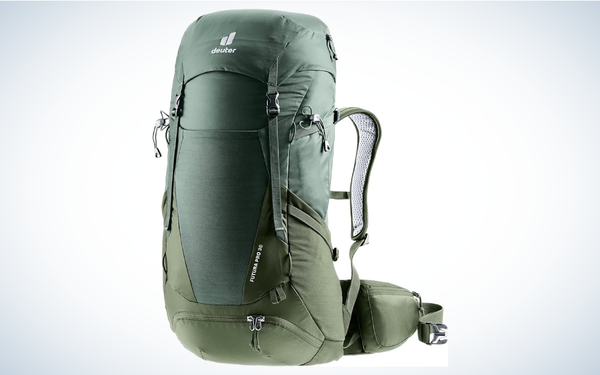
Most Functional: Deuter Futura Pro 36

Most Functional

Specs

  • Dimensions: 24 x 12.6 x 9.5 inches
  • Capacity: 36 liters
  • Weight: 3 lbs 7 oz
  • Material: 600 denier polyester with a PU coating
  • Pockets: 6

Pros

  • Designed for comfort
  • Integrated rain cover
  • Durable fabric
  • Lightweight for its size

Cons

  • Main compartment is top load only

Despite the survival community’s apparent penchant for tactical military-style bags, there’s no rule book that says your survival backpack has to be tricked out in MOLLE or multi-cam. Tactical backpacks tend to run heavy. If you want something ergonomic and easy on the back, a hiking backpack is probably the wiser choice, especially since chiropractors rarely practice in the backcountry or during apocalyptic societal collapse.

Deuter is a well-respected backpack brand in the outdoor industry, and although their bags are engineered for recreational purposes, they also function well as survival backpacks. The Futura Pro is one of the company’s bestsellers, and it is packed with top-tier comfort features, including moveable hip fins with padded inserts and an ergonomic mesh back for maximum ventilation.

This backpack boasts plenty of compartments for organizing your gear. In addition to the roomy main compartment, it has extra storage pockets in the lid, base, and hip belt, as well as two spacious side bellow pockets. The only real drawback to the organizational design is that the massive main compartment is only accessible from the top. It can take some digging to get to gear at the bottom.

Deuter also makes a version of this bag for women. The Futura Pro 34 SL has a shorter carrying system specially adapted for female anatomy.

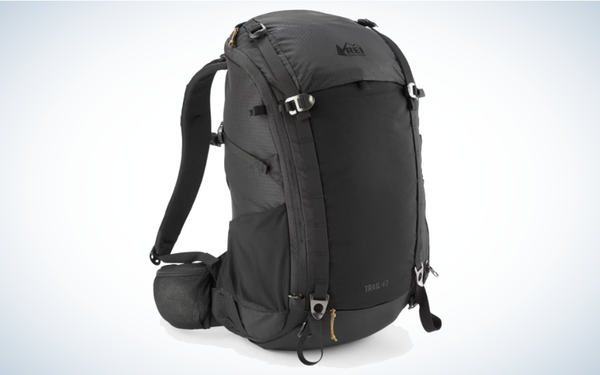
Best Budget: REI Co-Op Trail 40

Best Budget

Specs

  • Dimensions: 21.5 x 13 x 10 inches
  • Capacity: 40 liters
  • Weight: 3 lbs
  • Material: Recycled ripstop nylon
  • Pockets: 6

Pros

  • Affordable
  • Made from recycled materials
  • Comfortable design
  • Stowaway rain cover

Cons

Not everyone has an unlimited supply of cash to dump on survival gear. Fortunately, REI swooped in for the rescue with their budget-friendly Trail 40 backpack. Despite the affordable price tag, the REI Co-Op Trail 40 is packed with features, such as an internal spring steel frame, a padded suspension system, and a stowaway rain cover.

When it comes to pockets and compartments, this survival backpack has a relatively minimalist design. It has a zippered pouch main compartment with a mesh side pocket, a back pocket, and a simple sleeve for a hydration reservoir. The top of the pack has a zippered pocket for easy access to your keys, maps, or important papers, while the hip belt has zippered pockets for snacks and other survival essentials.

The Trail 40 is made from recycled abrasion-resistant ripstop nylon, but the fabric is prone to tearing.

What to Consider When Choosing a Survival Backpack

Capacity

When it comes to how much a bag can hold, backpacks pretty much run the gamut, ranging in size from a measly 10 liters up to 70 liters or more. While it’s tempting to think bigger is better, larger-capacity backpacks can be bulky, heavy, and a literal pain to carry. You really only need a bag big enough to hold ample supplies to see you through an emergency.

For most people, a 20- or 30-liter pack will carry enough supplies for 24 hours, while 45 liters will see you through two days and 55 liters is large enough to hold a 3-day supply kit.

Size and Comfort

In some survival situations, you could spend considerable time wearing a fully loaded backpack. The more time you spend toting your pack, the more size and comfort become a priority.

Size and comfort are highly personal. A 5-foot-3 female will demand a significantly different fit and feel than her 6-foot-2 male companion. Many high-quality packs are available in several sizes, find a pack that matches your torso length for maximum comfort.

Other comfort features may not seem like a big deal on the showroom floor but become invaluable once you’re in the thick of things. Adjustable padded chest, hip, and shoulder straps and built-in lumbar support will quickly become your best friend if you have to haul a heavy pack for multiple days.

Organization

A good backpack should have plenty of pockets and compartments for stowing your stuff. Multiple pockets will not only help keep your toothpaste from mingling with your extra batteries, but separate compartments will also help you find things more easily.

FAQs

Q: What type of backpack is best for survival?

The best type of backpack for survival depends on the environment you’re preparing to tackle. If you’re headed miles off the blacktop into the remote backcountry, an internal frame backpack will help you efficiently carry the weight of your survival gear deep into the wilderness.

However, if your idea of a survival situation involves bugging out in an urban setting, something smaller and more covert may be more appropriate to keep you from standing out in a crowd.

Q: What should you put in a survival backpack?

While the exact supplies you should pack in your survival backpack vary based on personal needs and the situation you’re facing, Ready.gov has a list of basic disaster supplies everyone should keep in their kit. The list includes essential items such as:

Water
Food
Battery-powered or hand crank radio and a NOAA Weather Radio with tone alert
Flashlight
First aid kit
Extra batteries
Dust mask
Plastic sheeting and duct tape
Moist towelettes, garbage bags, and plastic ties
Wrench or pliers
Local maps
Cell phone with chargers and a backup battery

Q: How do you pack a survival backpack?

As a general rule, when packing any backpack, heavy items should ride in the middle of the pack and as close to your back as possible. However, in a survival situation, it may be more important to pack essential items where you can get to them quickly. If you don’t need to traverse long distances, packing for accessibility may need to trump packing for optimal weight distribution.

Best Survival Backpacks: Final Thoughts

There really is no one-size-fits-all solution for survival. While survival backpacks don’t all look the same, they have one thing in common: you should have one.

Why Trust Us

For more than 125 years, Field & Stream has been providing readers with honest and authentic coverage of outdoor gear. Our writers and editors eat, sleep, and breathe the outdoors, and that passion comes through in our product reviews. You can count on F&S to keep you up to date on the best new gear. And when we write about a product—whether it’s a bass lure or a backpack—we cover the good and the bad, so you know exactly what to expect before you decide to make a purchase.

Anti-Hunting U.N. Pushes Meatless Agenda Due to Climate Change

0

Leaders of the world’s developed and undeveloped countries are gathering in Dubai for the 28th U.N. Convention of Parties (COP28) on climate action. It’s a global confab for privileged leaders to fly their private jets around the world – including Vice President Kamala Harris and U.S. Special Presidential Envoy for Climate John Kerry – to meet and talk about “climate science.” But anti-hunting, animal rights activists are piling on the climate agenda this year with major efforts to force developed countries to cut back on burgers and steaks.

Anti-Hunting Activists Use Climate Change to Reduce Meat Consumption

“The world’s most-developed nations will be told to curb their excessive appetite for meat as part of the first comprehensive plan to bring the global agrifood industry into line with the Paris climate agreement,” Bloomberg reported. 

Coincidentally, that’s the same media company owned by the billionaire gun control piggy bank and failed presidential candidate Michael Bloomberg.

U.S. officials should tell U.N. officials to pound sand. It’s a backward and laughable proposal for many reasons. Such an effort would end up penalizing America’s millions of hunters.

And that, consequently, would harm many more millions of less fortunate families in need of good, healthy meals. Especially during the holiday season.

Meatless Mandate Manure

The anti-meat push from the U.N.’s Food & Agriculture Organization won’t do much of anything towards “climate goals.”

The scheme calls for developed nations to greatly reduce meat consumption and agribusiness. However, at the same time it encourages developing countries to dramatically ramp up theirs. The net between those opposing efforts would do little globally.

Mandating reductions in meat consumption here at home would have a big impact, though. Despite pleas today by animal rights activists for Americans to go the meatless route, the vast majority of Americans don’t.

According to the data used by the U.N.’s food agency, the average American consumes 280 pounds of meat each year. The U.N. commission recommends people consume no more than 35 pounds of meat per year.

The push on the global stage to go meatless isn’t so far-fetched to believe political leaders in the U.S. could begin passing similar proposals. After all, the Baltimore School District became the first school district in the nation to implement “Meatless Mondays” for school lunches back in 2009. That move garnered the praise of the rabid anti-hunting People for the Ethical Treatment of Animals (PETA). Likewise, it was based on studies from the antigun Johns Hopkins University.

Former New York City Mayor Bill de Blasio followed suit in 2019. The U.S. Department of Agriculture in 2012 began discussing similar plans, and the idea has percolated so much that U.S. Sen. Joni Ernst (R-Iowa) introduced federal legislation in 2021 prohibiting federal agencies from implementing “Meatless Monday” policies.

These efforts by anti-hunting animal rights groups to dramatically reduce meat consumption have persisted for years. Mostly in the background of policy debates.

Recent developments in the U.S. and the prominence of the issue at this year’s U.N. meeting show there’s cause for greater vigilance from America’s hunting community.

Laughable Litigation

Earlier this year, the city of Ojai, Calif., became the first municipality in the country to pass a  resolution declaring that elephants aren’t just animals and instead deserve “the legal rights of a nonhuman animal.”

It was a victory for the Non-human Rights Project (NhRP) after several years of pursuing similar litigation against zoos in both New York City and Colorado. After passing their resolution, Ojai City Councilwoman Leslie Rule declared, “It isn’t a joke.”

For those unfamiliar, NhRP failed in several previous attempts to get “personhood” rights for animals, namely elephants, under the care of zookeepers. In 2022, New York Court of Appeals Chief Judge Janet DiFiore rejected the group’s lawsuit against the Bronx Zoo.

She wrote, “Habeas corpus is a procedural vehicle intended to secure the liberty rights of human beings who are unlawfully restrained, not nonhuman animals.”

Judge Jenny Rivera piled on, too, asking about Happy, the elephant that is well cared for at the Bronx Zoo.

“If Happy is a person, does that mean that I couldn’t keep a dog? I mean, dogs can memorize words.”

In a harbinger of what a possible legal victory for NhRP could mean, the New York Farm Bureau submitted an amicus brief in favor of the Bronx Zoo, warning that a ruling in NhRP’s favor could be disastrous.

“Worse, if any of those habeas petitions succeed in securing the release or transfer of livestock… the downstream effects also would be serious.”

The floodgate would open for future lawsuits against other zoos. Animal rights groups could sue dairy cow or meat processing operations, pig farms, or chicken or pheasant preserves. Those would also be serious obstacles for hunters harvesting wild game for their freezers. Not to mention wildlife management biologists who rely on hunting as the primary wildlife conservation management tool.

Hunters Feeding the Needy

It is approaches like the COP28 meat reduction plan that make no sense and in turn only end up harming efforts by America’s hunters to help those in need. Hunters generously give back to those families who are less fortunate. This is while continually under attack by anti-hunting animal rights activists and “climate science” schemers.

MeatEater reported on an extensive study demonstrating the depths and breadth of America’s hunters helping the hungry in order to “reframe debates about the relevance of wild and natural harvests, and understand how they contribute to a stable and equitable food system.”

The report breaks down several states respective contributions through programs like Hunters Against Hunger and Hunters for the Hungry. All told, it’s estimated that around 10 million meals of healthy, high-protein wild game are donated by hunters across the nation every year. That’s an estimated $70 million of meat donated by generous hunters.

A simple Google search reveals how much good America’s hunters are already doing this hunting season. Specifically in states like Indiana, West Virginia, Arkansas, Ohio and more. These highlights are likely nowhere to be found in Dubai.

Mandating reductions in meat intake by a global organization like the U.N. under the guise of “climate science” isn’t a serious solution for anything. Especially when the policies are pushed by anti-hunting activists with no connection to the communities American hunters continue to support.

Hunters harvesting game and generously donating extra food to those in need is uniquely American. And we should celebrate and encourage it.

Story originally posted to NSSF.org.

Didn’t find what you were looking for?

Watch: Woman Fires Gun While Harassing Deer Hunter in Ohio

0

“I will be a hunter’s nightmare.” That’s what an Ohio woman in blaze orange yelled before she fired a gun in a wooded neighborhood of Portage County. Her neighbor, legally hunting deer on his own property, recorded the confrontation before shedding his visibly-orange vest and running away from the shots to hide.

“She’s got obviously strong feelings about it,” Richard Page, Ohio hunter told WKYC. “But that doesn’t give her the right to come out and harass people that are out enjoying themselves.”

It is legal to hunt your own property in Ohio as long as it encompasses five acres or more. Ironically, Page’s neighbor was threatening him while standing on someone else’s property. It took Page two hours to find his way back home in the dark. 

“She knows who we are,” Page said. “And she’s still shooting at us.”

The Portage County Sheriff’s Office is investigating with assistance from the Ohio Department of Natural Resources (ODNR). ODNR reports the state’s whitetail deer population is substantial with more than 200,000 harvested statewide in 2022.

Read Next: Mule Deer Gores Elderly Woman Outside Her Colorado Home

In addition to private property hunting in the state, Portage Park District also offers a new controlled archery hunt permitted through a lottery system. The park-specific hunt opened September 30 with one hunter per designated area. 

Mule Deer Gores Elderly Woman Outside Her Colorado Home

0

Wildlife agents are on the hunt for a mule deer that attacked a 67-year-old woman near her front door in the town of Silver Cliff, Colorado, about 75 miles southwest of Colorado Springs. The goring occurred on the evening of Saturday, December 16. The deer involved in the attack was a young buck with “two spikes on each antler,” according to a press release issued by Colorado Parks & Wildlife (CPW) earlier this week.

The spike buck injured both of the woman’s legs during the attack, CPW said, leaving her with severe bruising on one and a deep puncture wound on the other before she could get inside to call her husband for help. “A wildlife officer went to investigate and found a bird feeder in the yard,” said Mike Brown, CPW Area Wildlife Manager in the region. “The victim told a CPW officer that she feeds birds and had thrown out bread earlier that day.”

According to Brown, there hadn’t been any recent reports of mule deer behaving aggressively in the town Silver Cliff until the Saturday incident occurred. Given the precise location of the attack, so close to the woman’s front door, there’s a good chance the animal had been acquiring food from human sources, CPW stated.

“I believe this is a good example of what happens when deer lose their natural fear of humans,” Brown said. “They become aggressive and dangerous. This is a good reminder that wild animals should always be treated as such and that people need to give wildlife the space they need. We’re glad this woman wasn’t more seriously injured.” 

Read Next: Men Indicted for Poaching Bald and Golden Eagles in “Killing Spree” of 3,600 Birds

First responders on the scene took the woman to a hospital in nearby Pueblo for treatment. As of this writing, agents have been unable to locate the deer. “If found, the deer will be euthanized to prevent future attacks on humans,” the press release states.

Watch: Black Bear Nearly Collides with Unsuspecting Skier

0

This video is pure chaos. On Sunday, December 10, a group of skiers were going down a popular run at Heavenly Ski Resort near Lake Tahoe, California when they encountered a bear sprinting through the snow. Skier Tao Feng caught the unexpected incident on video and posted it to TikTok.

“[I] almost hit a bear skiing down Ridge Run [at] Heavenly,” wrote Feng in the video description. “[I] didn’t realize it was a bear until it was too close.”

The footage shows skiers nonchalantly turning back and forth across a groomed trail when a bruin is seen loping across the slope on the left-hand side. Feng continues skiing and comes within feet of the bear before it dips off the side of the run and into the woods.

“I was honestly afraid it would attack me if I stopped too close,” Feng told the Sacramento Bee. “All I could think of was to get away fast. I bet the bear thought so too, and we both underestimate[d] the other’s speed.”

While black bears are hibernating in many parts of the country—they are not in the Lake Tahoe area. “In Lake Tahoe, unfortunately, there’s a lot of human-provided food, and so the bears don’t need to hibernate,” California Department of Fish and Wildlife (CDFW) information officer Peter Tira told ABC10. “The Tahoe Basin is home to one of the largest, densest concentrations of black bears in all of North America. They are active day and night and year round.”

Read Next: Mountain Lion Killed in Colorado After Stalking Woman to Her Front Porch

Perhaps unsurprisingly, the incident occurred not far from where an infamously fat black bear known as “Hank the Tank” was captured before being relocated. CDFW officials often stress the importance of being “bear aware” and securing any possible food sources in the Lake Tahoe region.

Best Machetes of 2023 | Field & Stream

0

We may earn revenue from the products available on this page and participate in affiliate programs. Learn more ›

Machetes have a home in the garden as well as the forest, though that largely depends upon what you’re growing. They are popular tools for those who spend considerable time outdoors and they can certainly be fun to use. The machete can even be a formidable self-defense weapon if push comes to shove.

You want a machete that will do the job effectively and efficiently, without breaking the bank, or your arm, in the process. They come in various shapes and sizes, so you have plenty of options from which to choose. Read on to find the best machetes for a variety of purposes.

How We Picked The Best Machetes

I am an unabashed self-professed “knife guy” who has been around blades large and small for well over four decades now. I’ve used hundreds of them over the years, from keychain-sized Swiss Army knives to fishing knives to full-size machetes and more.

There were three main factors that went into play to narrow down the hundreds of different machetes on the market to the ones we included in this guide. These were my criteria:

  • Quality: It makes very little sense to buy any piece of gear if you know it isn’t well-made. Sure, if you’re in your backyard and the machete bends or breaks, it probably wouldn’t be a big deal. If you’re three days’ walk from the nearest road when it happens, that’s more than a little different.
  • Design: While many machete designs are rather specific in terms of region of use, such as being best-suited for tropical areas, we wanted to include models here that would be suitable for a wide range of areas. For example, a thin, almost flexible blade that can be used to a great effect in grassy terrain might not be nearly as effective in woody areas.
  • Price: Sure, higher price tags usually bring higher quality as a general rule. But you don’t need to take out a second mortgage just to buy something for lopping branches and blazing trails. What we tried to do was strike a balance with a reasonable price and great quality components and construction.

Best Machetes: Reviews & Recommendations

Best Kukri Machete

Specs

  • Blade Length: 13 inches
  • Weight: 16 ounces
  • Steel: 1055 carbon steel

Pros

  • Full tang construction
  • Comfortable polypropylene handle
  • Baked on anti-rust finish

Cons

  • Factory edge can be rough

The kukri is the everyday knife of the Nepalese people, who use it for everything from harvesting crops to chopping firewood. This model from Cold Steel is made to work. It is relatively inexpensive as far as machetes go, and as a result, there aren’t any fancy adornments. That’s not a bad thing as you’re getting exactly what you need, a workhorse, without paying for decoration. Plus, you won’t be afraid to use and abuse it, fearing that you’ll damage the finish or some such.

The forward curve of the blade makes it look as though it will be unbalanced, but that’s not the case at all. It swings very well and it cuts deeply into the target, whether you’re delimbing branches or cutting open a shooting lane just before hunting season begins. It comes with a sturdy sheath that can be worn on the belt if desired.

Cold Steel is well known in the knife industry and they have several models of machetes in their lineup, including the Cold Steel Jungle Machete and the Cold Steel All Terrain Chopper. This Kukri model, though, is exactly what I bought my father-in-law for when he’s making new trails in his forest. He’s been using it for years and loves it.

Best for Camping

Specs

  • Blade Length: 10 inches
  • Weight: 18.3 ounces
  • Steel: 65Mn carbon steel

Pros

  • Easy to carry, even on long treks
  • Black powder coat protects the blade
  • Full tang construction for strength

Cons

  • A bit small for heavy-duty work

The Kershaw Camp 10 bridges the gap between a large knife and a small machete, making it perfect for simple chores that don’t require extended reach. But there’s still plenty of heft to lend added power to your swings. Plus, the ergonomics of the design are on point and it is a dream to use, even for extended periods of time. It bears a slight resemblance to the Ka Bar Cutlass Machete, though with a different sort of handle.

The rubberized handle provides plenty of grip. There are lanyards holes at each end of the handle, allowing you to really secure your hand when you’re working. The glass-filled nylon sheath has a belt loop as well as gear straps, giving you several carrying options.

The blade has a slight recurve shape and at the spine measures nearly 0.20-inch thick. This is a strong knife, with plenty of steel to back up each chop and cut. Kershaw has a long-standing reputation for high-quality blades that don’t carry high price tags. With The Camp 10, it hits that sweet spot where you’re getting more than your money’s worth. It is built for the long haul and with even minimal care it should last many years.

Best for Survival: TOPS Knives El Chete

Best for Survival

Specs

  • Blade Length: 12 inches
  • Weight: 29.5 ounces
  • Steel: 1095 carbon steel

Pros

  • Micarta handles add strength and grip
  • Full 0.25-inch-thick blade
  • Out-the-front sheath design

Cons

  • Can be heavy for some users

The El Chete is designed to chop. This is not a delicate tool. It is made to apply raw force to whatever is put in front of it. The foot-long 1095 carbon steel blade is thick and incredibly strong. It is a brutally effective tool for many applications, from chopping firewood to cutting your way through even the thickest forest.

The handle is comprised of black and green Micarta slabs attached to the tang. These are rounded and contoured for comfort. They’re thick and fill the hand well while also providing a secure grip, even in challenging conditions. Even with its heftiness, the El Chete is comfortable to use, with its weight doing much of the work. The sheath is what they call an out-the-front design. Rather than drawing the machete straight up and out, you just pull up it a few inches, then rock it forward and out of the sheath. While this takes a little getting used to, it is a very safe way to deploy the tool.

Best for Clearing Brush

Specs

  • Blade Length: 18 inches
  • Weight: 16.2 ounces
  • Steel: 1070 carbon steel

Pros

  • Long blade for an increased reach
  • Durable wooden handle
  • Traditional design used the world over

Cons

  • Does not come with a sheath

This is a standard, no-frills machete. No bells or whistles, just 18 inches of carbon steel that will chop and cut through just about anything that’s in your way as you tramp through the forest and field. The low-key approach here isn’t a bad thing, not by any stretch. Keep in mind that people who live in areas where machetes are used daily don’t have a need for polished blades or other such niceties.

The bad news is that the Tramatino Bush Machete doesn’t come with a sheath. You can find one online or you could cobble something together yourself. It doesn’t need to be anything fancy, just something to protect the blade’s edge, and you from it. This model is also a little rough around the edges. Users might find the handle a little more comfortable after applying a layer of grip tape. Adding a lanyard looped around the end of the handle might also be a good idea. Some buyers have found the blade’s edge in need of touching up before the first use. Even so, the price really can’t be beaten.

What to Consider When Choosing a Machete

When it comes to selecting a machete, there are a few considerations to keep in mind. Think about the following considerations before deciding what machete is best for you.

Budget

For most people, the first consideration is their budget. Very few of us have enough disposable income that we can just go out and drop hundreds of dollars on a tool that we might only need for limited use. On the other hand, buying something that’s cheaply made might result in having to replace it often. Fortunately, you can find good quality machetes at a reasonable price. There’s no need to spend a huge amount of money on one.

Environment

A machete made for a tropical environment won’t likely do well in a temperate forest and vice versa. While you can usually make do, if you have the option of choosing something that’s tailor-made for the area you’ll be operating in, all the better. That said, there are plenty of models that bridge both worlds, so to speak, and can be used in most climates without too much trouble.

Construction

Due to the nature of its work, a machete needs to be well-built with quality materials. It will be subjected to repeated poundings and the last thing you want to happen is for the handle to come loose or for the steel to bend or even snap. Look for high-quality steel and durable construction. For example, the handle should be affixed mechanically as well as with an adhesive. The steel should be something that will take an edge and hold it through normal use. You don’t want to have to stop and sharpen it constantly.

Weight

Robust construction comes with an increase in weight. There just isn’t a way around that. A lightweight machete is likely to be more prone to damage under routine use. On the other hand, you’ll be carrying the machete all the time and swinging it frequently, so you don’t want a boat anchor that’s just going to slow you down. Find a balance between durability and weight. It should be ergonomic, or you’ll find reasons not to bring it along.

Couple the best machete with your favorite survival knife and you’ll have all the tools you need to tackle the wilderness.

FAQs

Q: Are machetes legal?

When it comes to blades, there just is no blanket answer as to the legality of carrying them. The user will need to consult state law as well as a municipal ordinance to ensure they do not break any laws.

Q: What are machetes used for?

Machetes are used for clearing brush and shrubbery, as well as trailblazing and even some types of crop harvesting. They can also be useful for those who compost. Old watermelons, pumpkins, and the like can be quickly chopped into pieces before being tossed on the pile. They’ll decompose much quicker that way. Many hunters use machetes to clear shooting lanes. Remember, even the most accurate hunter on the planet needs a clear shot to hit the target.

Q: How should I carry a machete?

It all depends on where you’re headed and what you’re doing. Most machetes are sold with sheaths, typically either leather, nylon, or Kydex. While these sheaths will have a belt loop of some kind, many users find carrying a machete at their waist to be cumbersome and awkward. For this reason, some people will strap the sheath to their backpack, or even just stuff the sheathed machete into the pack itself. The machete is a tool, and like any tool, it isn’t going to be used every moment you’re in the field. You can pack it away as you move and bring it out just when it is needed.

Best Machetes: Final Thoughts

Machetes aren’t a true necessity for everyone. But, if you can afford the best machete and don’t mind carrying it into the field, it is better to have one and not need it than to need it and not have it. Using the machete will save the edge on your survival knife for things like cleaning harvested game and processing wild edibles. Don’t forget to pack your knife sharpener, too.

Why Trust Us

For more than 125 years, Field & Stream has been providing readers with honest and authentic coverage of outdoor gear. Our writers and editors eat, sleep, and breathe the outdoors, and that passion comes through in our product reviews. You can count on F&S to keep you up to date on the best new gear. And when we write about a product—whether it’s a bass lure or a backpack—we cover the good and the bad, so you know exactly what to expect before you decide to make a purchase.

Practical Ballistics for .22LR

0

What’s the best .22 LR load on the market? We have no idea. But we did shoot a few out to 200 yards to see what kind of bullet drop to expect based on muzzle velocity.

Details are in the video below, or scroll down for the full transcript.


Hey everybody, I am Chris Baker from LuckyGunner.com. Last time, we talked about the idea of a true practical rifle. For me, it’s a suppressed Savage .22 LR bolt action that I use for pest control. Today, I’ve got a quick follow-up for you with some more .22 goodness. I want to talk about practical external ballistics for the .22 LR cartridge.

What is “Practical Ballistics?”

External ballistics refers to what the bullet does between the muzzle and the target. If we were talking about what the bullet does after it hits the target, that’s terminal ballistics. We’ve talked about .22 terminal ballistics in the past and I’m sure we’ll cover it again sometime. But for now, we’re looking at external ballistics – in particular, bullet velocity and trajectory.

What I mean by practical external ballistics is that I want to look at what the bullet does in flight and then apply that knowledge to how I’m going to use the rifle outside the shooting range. The main thing I really want to know is bullet drop. For the distances I’m planning to use the rifle, where do I need to aim in order to hit my target? Velocity is important because faster bullets will drop less by the time they reach the target. Velocity is also important for pest control because I want to make sure the bullet’s going to have enough energy to take out that animal quickly and cleanly. But that gets us back into the territory of terminal ballistics.

You can find numerous ballistic tables for .22 LR online. There are multiple ballistic calculator apps that’ll give you excruciatingly detailed information about what a bullet should do at a specific distance. These can all be very useful tools. Of course, ballistic tables are just a starting point. You have to actually shoot some groups out of your own gun to find out what your specific rifle and ammo combo are going to do.

But the issue I have with a lot of ballistic tables is that they’re often based on the velocity you get from something like a 20 to 24-inch barrel. A lot of the most common .22 rifles today have barrels closer to 16 to 18 inches. That means the ballistic data from a longer barrel might not even really be useful as a kind of ballpark starting point.

So, we did some of our own testing to give you one more data point to work with when you’re considering .22 ballistics.

.22LR Loads Tested

We measured the bullet drop and muzzle velocity of six different loads out of my 16-inch Savage Mark II.

Two of the loads were subsonic with muzzle velocity a little over 1000 feet per second. Those were the CCI 40-grain Polymer Coated Clean-22 and the Eley 38-grain Subsonic Hollow Point.

We had three high velocity loads that measured close to 1300 feet per second – The 40-grain copper plated round nose version of the CCI Mini-Mag, the 40-grain copper plated Winchester Wildcat, and the 36-grain Remington Viper.

And then we had one extra high velocity load that measured around 1500 feet per second – the 32-grain copper plated hollow point CCI Stinger.

Results

To be completely honest, for me this is more of a theoretical than a practical exercise. For pest control, I’ve never needed to take a shot more than 50 yards away. My property is just not that big. So I use subsonic ammo with a suppressor to stay as quiet as possible. I zero the gun at 50 and it’ll hit within about a half inch of that between 15 and 50 yards. It’s pretty straightforward.
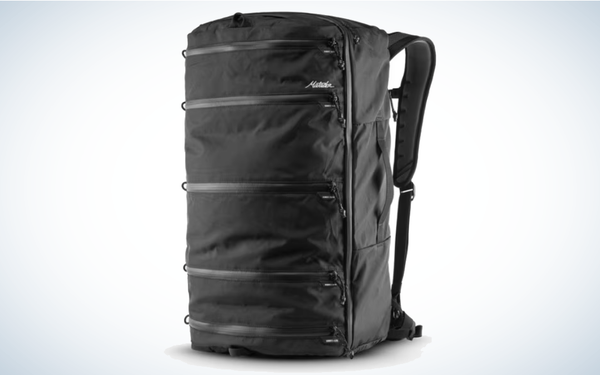
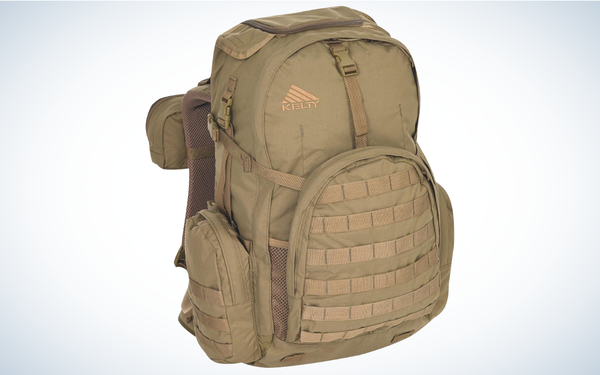
But, of course, .22 LR is viable far beyond 50 yards. In the comments on that last video, some of you guys mentioned using your .22s to take out squirrels, prairie dogs, and other pests at 100 yards and beyond. So, for these six loads, we fired five-round groups from a benchrest at 50, 100, 150, and 200 yards.

We zeroed our rifle at 50 yards, so that’s our starting point. At 100 yards, the subsonic loads dropped more than 7 inches. The Stinger has about 50% more velocity and it only dropped two inches. Moving out to 150, the gulf between the fastest and slowest bullets is even wider. The Eley 38-grain Subsonic that I like to use at home drops 30 inches at 150 yards, while the Stinger drops just under 11 inches. The other supersonic loads were a few inches lower.

All of these bullets really start to drop between 150 and 200. We had to staple together a special extra tall target just to catch all of the bullets. At 200 yards, the Stinger impacts 2.5 feet below the point of aim. The Eley drops 4.5 feet.

Conclusions

I know lots of shooters practice with .22LR out to 300 and 400 yards and beyond. For that, you really need a scope with some kind of bullet drop reticle and you have to be 100% sure of your exact range. That’s the difference between ballistics and what I would call practical ballistics. For small game hunting or pest control, 200 is probably pushing the limit of what’s practical. With this gun and the simple duplex reticle in this optic, I wouldn’t be comfortable trying to shoot a small animal at an unknown distance if I thought it was much past 100 yards.

But even at 100, we can see how ammo selection makes a huge difference. The higher velocity loads give you a big advantage because they don’t drop as much. The CCI Stinger, for example, is marketed as a Varmint load, and that’s not just hype – that extra velocity really does make range estimation less of a factor you have to worry about with small targets. In my case, with targets inside 50 yards, a subsonic load works just fine because keeping the noise down is a greater priority than a flat trajectory.

Okay guys, that’s all I’ve got for today. Hope you found that helpful. Next time you need some ammo, be sure to get it from us with lightning-fast shipping at LuckyGunner.com.

The post Practical Ballistics for .22LR appeared first on Lucky Gunner Lounge.